
Last updated October 30, 2026
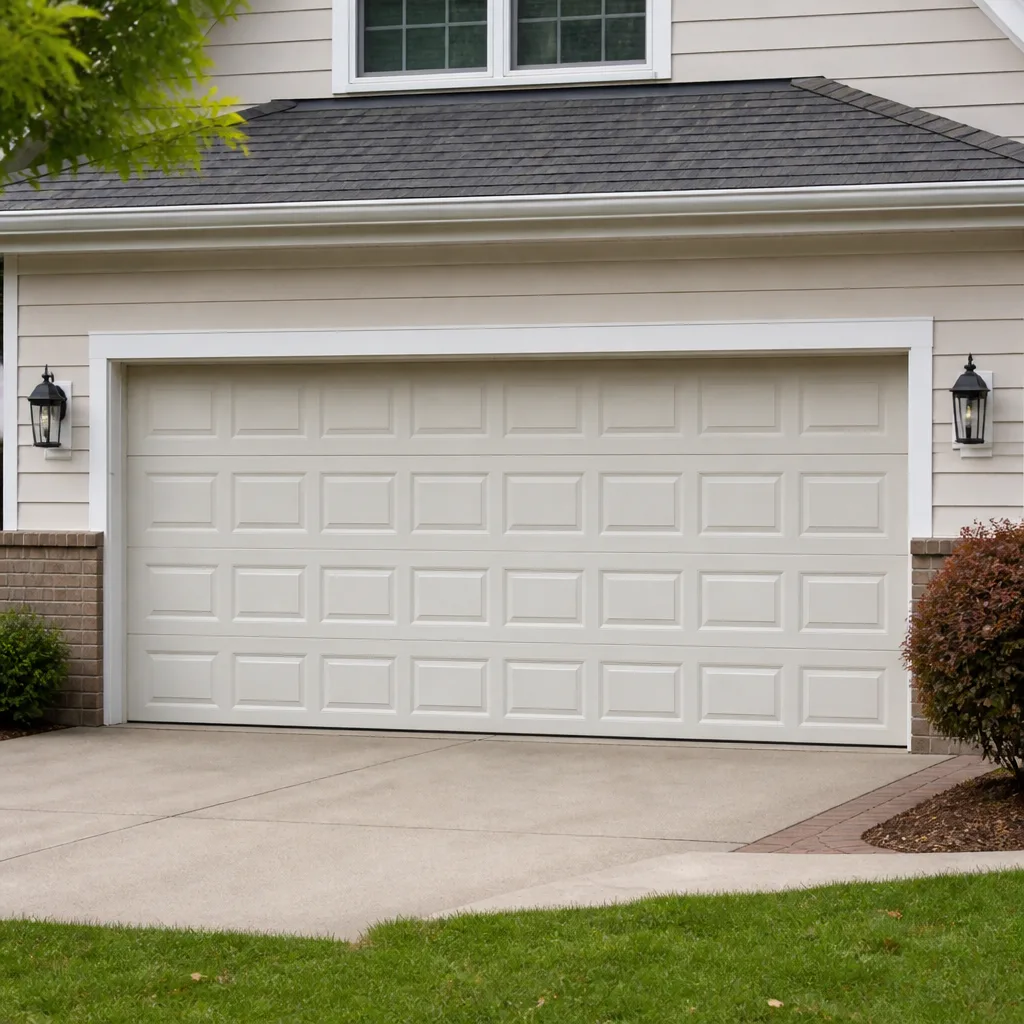 Raised-panel steel
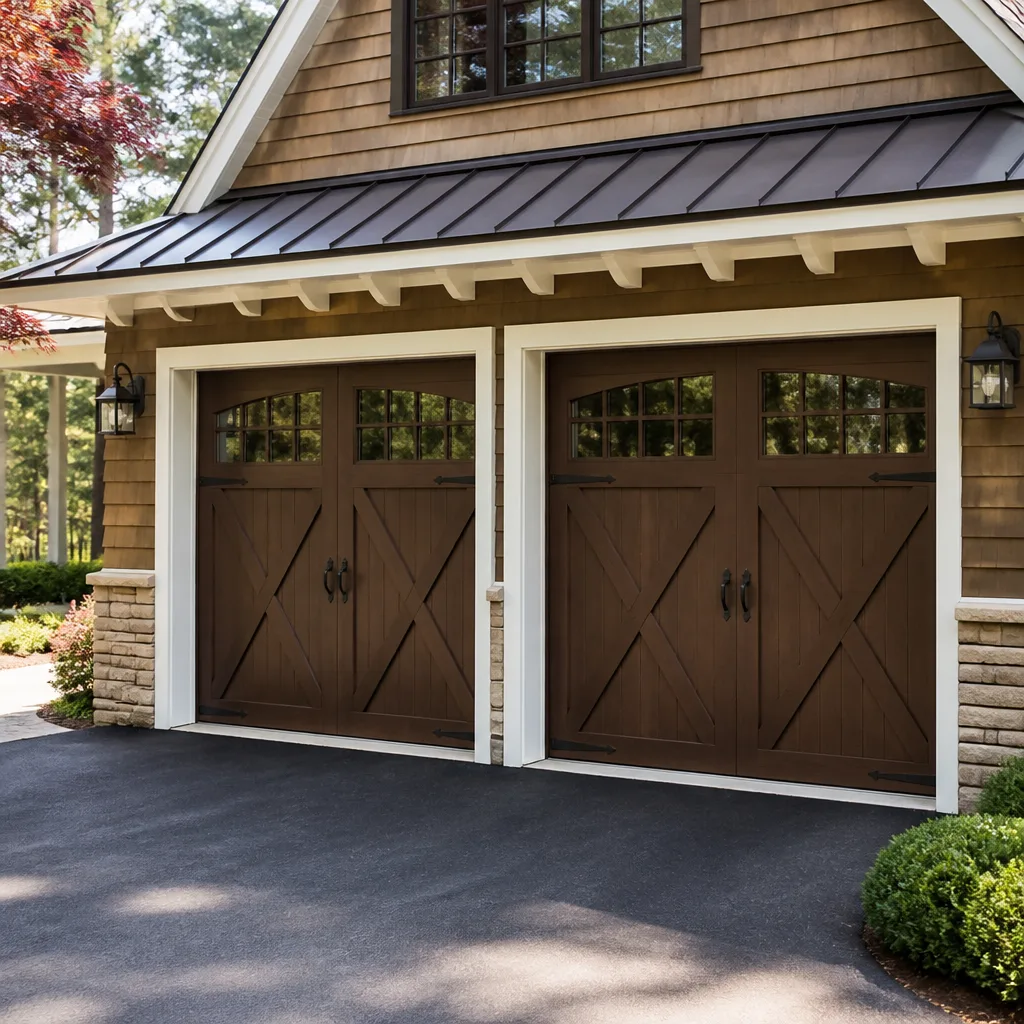 Carriage house
 Modern flush
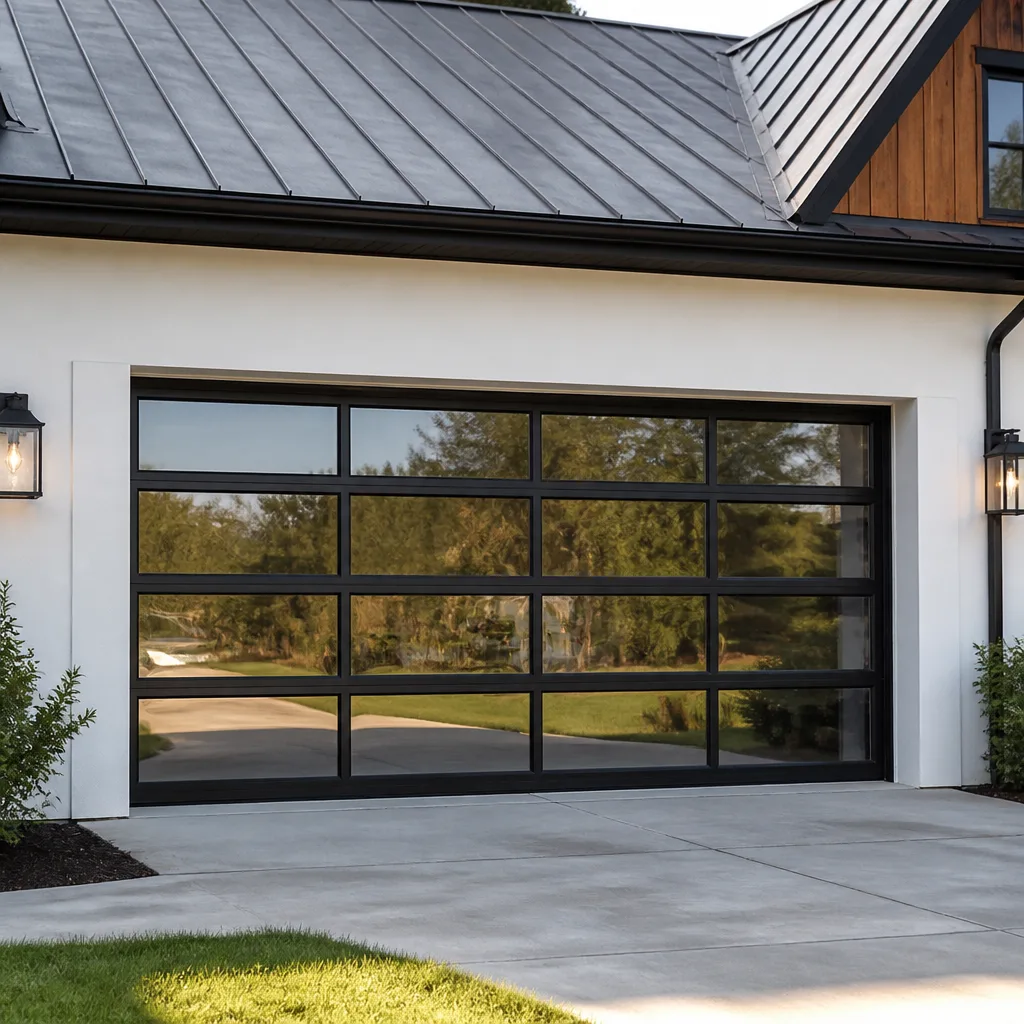 Full-view glass
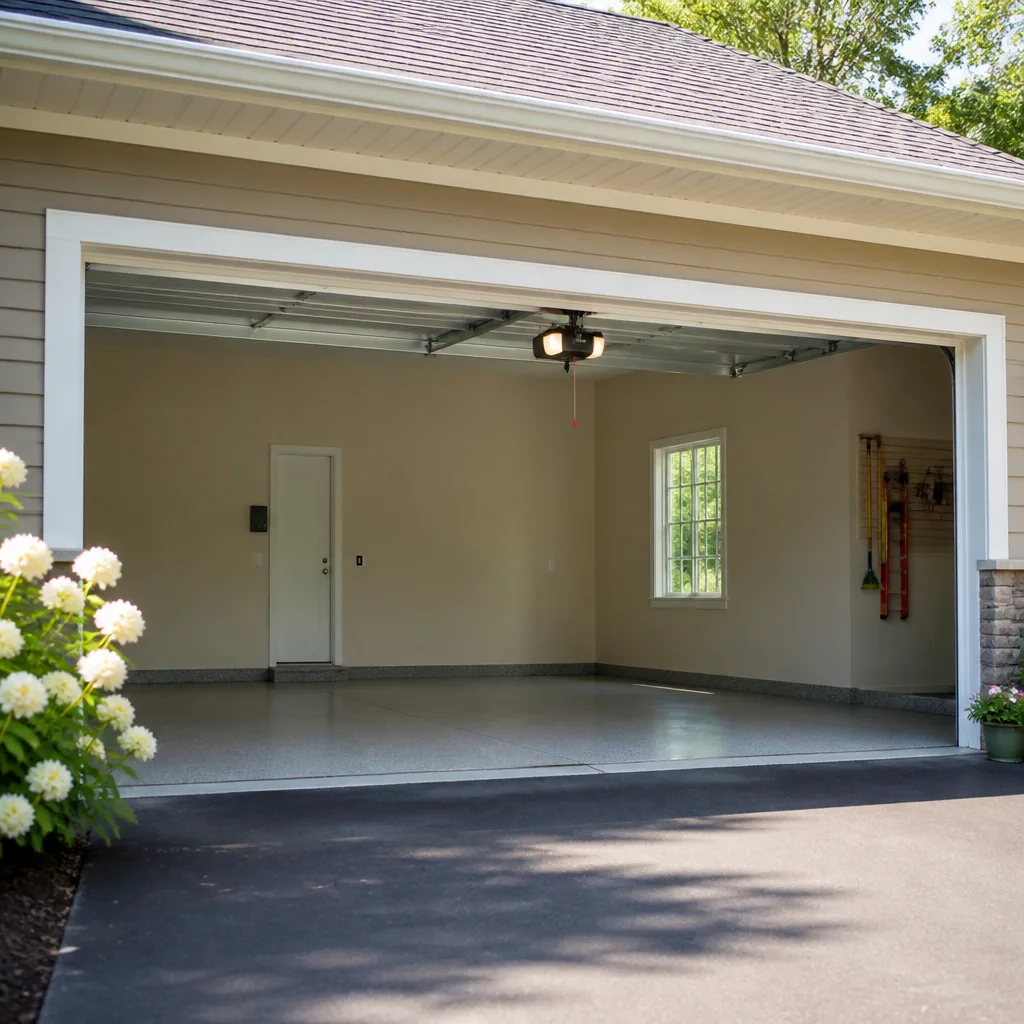 LiftMaster openers
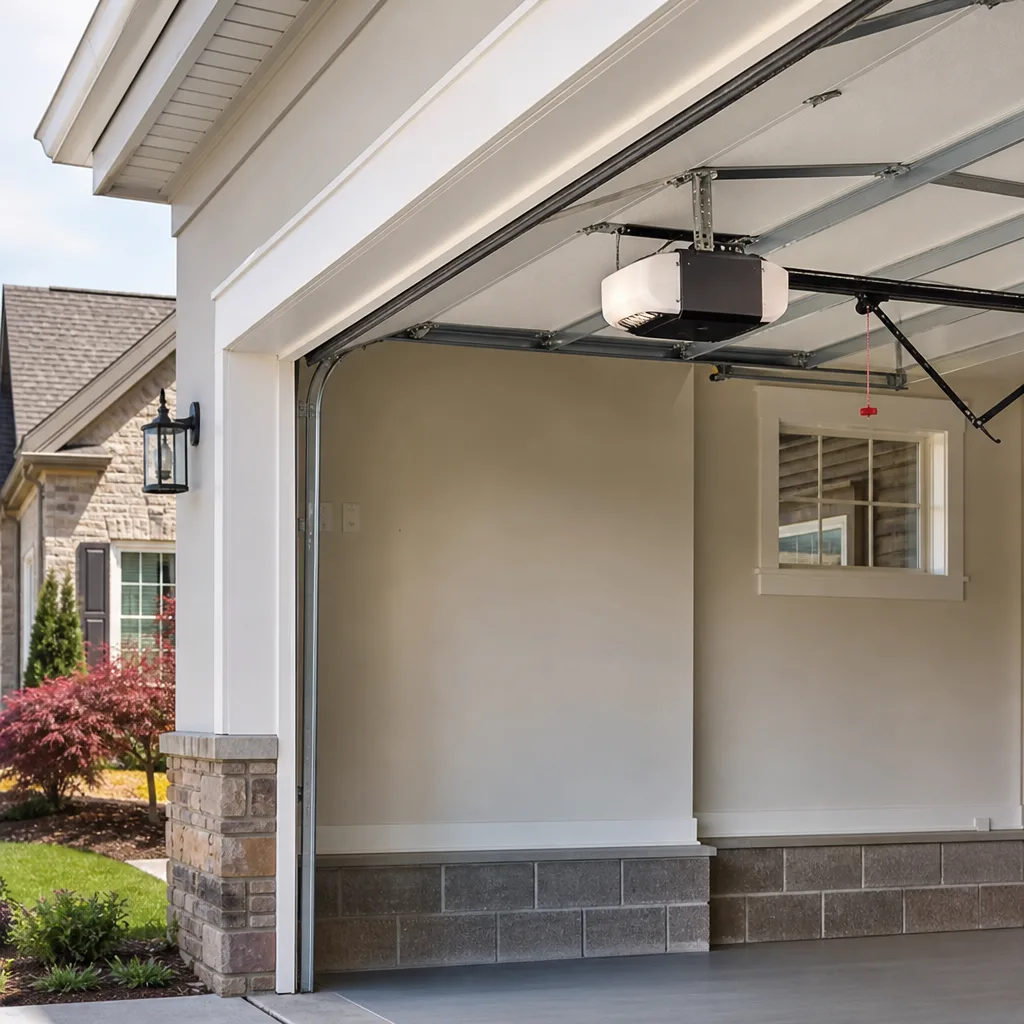 Chamberlain openers
Full 25-point door and opener safety check with every visit - springs, cables, rollers, tracks, and your LiftMaster or Chamberlain opener included
You get a price before we start. It does not change when the truck arrives.
Get your free estimateGarage Door Permits, Codes & Inspections in TX: What You Need to Know
Here’s the uncomfortable truth most Texas homeowners discover too late: the state itself barely regulates garage door permits. Texas delegates nearly all permitting authority to individual cities and counties, which means the answer to “do I need a permit?” changes depending on which side of a municipal boundary you live on. For Alief homeowners, that boundary question is especially tricky because parts of the community sit in unincorporated Harris County while others fall under the City of Houston. This guide breaks down exactly when a permit is required, what inspectors actually look for, and how wind load codes in this part of Texas affect what kind of door you can legally install.
Quick Answer
Garage door permit requirements in Texas depend entirely on your local jurisdiction, not the state. In Harris County and the City of Houston, which split authority over the Alief area, like-for-like garage door replacements typically do not require a permit, but structural modifications or new door openings do. Most garage door work also falls under wind load codes that dictate minimum door strength for coastal-adjacent counties like Harris.
Table of Contents
- How Texas Actually Handles Garage Door Permits
- Harris County vs. City of Houston: Why Your Alief Address Matters
- When a Permit Is Required: Replacement vs. New Installation vs. Structural Work
- Wind Load Requirements and TWIA Designation in Harris County
- How Unpermitted Garage Door Work Affects Insurance Claims
- What Inspectors Check During a Garage Door Inspection
- Permit Costs and Timeline Expectations for Alief Homeowners
- Common Mistakes to Avoid
- When to Call a Professional
- Frequently Asked Questions
- The Bottom Line
How Texas Actually Handles Garage Door Permits
Texas does not have a statewide garage door permit. Unlike some states that maintain a uniform building code enforced everywhere, Texas lets each municipality adopt its own version of the International Residential Code (IRC) and decide how aggressively to enforce it. The Texas Department of Licensing and Regulation (TDLR) doesn’t issue garage door permits either. Neither does the Texas Department of Insurance, despite its role in windstorm certification.
What this means practically: if you live in one Texas city, you may need a permit for a garage door replacement. Drive fifteen minutes to a different city, and the same job requires no paperwork at all. The determining factor is always the local authority having jurisdiction, usually the city’s building department or the county’s permitting office for unincorporated areas.
The IRC, which most Texas jurisdictions adopt with local amendments, treats garage doors as exterior wall components subject to Section R309 and related provisions. These sections regulate fire separation between the garage and living space, door dimensions, and structural load requirements. But the IRC doesn’t mandate a permit for every door swap. Local amendments do that.
What the IRC Actually Says About Garage Doors
- Garage doors separating a garage from the interior of a home must meet fire-resistance ratings in most cases, though attached garages with doors to the house already address this at the interior door level
- Section R612 covers garage door labeling requirements, including wind load ratings and installation instructions from the manufacturer
- Garage door openers must comply with UL 325, which governs entrapment protection devices like photo eyes and auto-reverse mechanisms
- The code references ANSI/DASMA 108 for garage door testing standards, which most manufacturers including Amarr, Wayne Dalton, Craftsman, and Raynor follow in their product specifications
Most Alief homes we’ve worked on fall under either the City of Houston’s amendments or Harris County’s adopted codes. Both have provisions specific to this region’s wind exposure, which we’ll cover in detail below.
Harris County vs. City of Houston: Why Your Alief Address Matters
Alief sits in a jurisdictional patchwork. Some addresses fall within Houston city limits, which means the Houston Permitting Center governs all building work. Other Alief addresses are in unincorporated Harris County, where the Harris County Engineering Department’s Permits Office has authority. A third group may be under the City of Houston’s extraterritorial jurisdiction, which follows Houston building codes even though the property sits outside city limits.
Here’s why this matters for a garage door project:
- City of Houston addresses: Houston adopted the 2015 IRC with local amendments and currently enforces the 2018 edition. The city requires permits for structural alterations but typically exempts like-for-like door replacements. However, Houston’s amendments include specific wind load requirements for garage doors in the wind-borne debris zone, which covers a large portion of Harris County.
- Unincorporated Harris County: The county operates under similar IRC adoption but with its own permitting thresholds. Harris County requires permits for new construction and structural changes to existing buildings but generally does not require a standalone permit for replacing an existing garage door with a comparable unit.
- Extraterritorial jurisdiction (ETJ): Properties within Houston’s ETJ follow Houston’s building code for construction standards but may not need a Houston-issued permit. This is a gray area that confuses even contractors. Calling the Houston Permitting Center at (833) 589-6911 with your address clears up which rules apply to you.
The fastest way to determine your jurisdiction: check your property tax statement. If it lists the City of Houston as a taxing entity, you’re under Houston’s permitting authority. If it only lists Harris County and other entities like Alief ISD, you’re likely in unincorporated Harris County.
When a Permit Is Required: Replacement vs. New Installation vs. Structural Work
Most garage door projects in the Alief area fall into one of three buckets. Only two of them typically trigger permit requirements.
Like-for-Like Replacement: Usually No Permit
Swapping an existing sectional garage door for a new one of the same dimensions, same opening size, and same structural configuration rarely requires a permit in either the City of Houston or unincorporated Harris County. This is the most common garage door project: the old door wears out, the homeowner buys a new one from Amarr, Wayne Dalton, or another major manufacturer, and a technician installs it in the existing opening.
No new structural support is added. The header, jambs, and track system occupy the same footprint. The work is considered a routine maintenance replacement, not an alteration to the building envelope.
New Door Opening or Structural Modification: Permit Required
If you’re cutting a new opening in an exterior wall to add a garage door where none existed, that’s structural work. It requires a building permit in both Houston and Harris County. The permit application includes:
- A site plan or dimensioned drawing showing the proposed opening location
- Header specifications demonstrating adequate load-bearing capacity for the span
- Wind load documentation for the specific door model being installed
- Foundation attachment details if the sill plate will be altered
Structural modification permits in Houston typically take 7 to 14 business days for review. Harris County’s timeline runs comparable. You’ll pay based on the project valuation, and for most garage door opening projects, expect permit fees in the $150 to $400 range depending on jurisdiction and project scope.
Converting a Carport to a Garage: Always a Permit
Enclosing a carport into a garage changes the building’s structural system, fire separation requirements, and possibly the property’s classification. This always requires permits. It also triggers inspections on framing, electrical (if adding an opener circuit), and final building approval.
For the door itself, any of these structural projects means the installed door must meet the same wind load standards as a new build. That’s where Harris County’s location in the wind-borne debris zone changes the conversation.
Wind Load Requirements and TWIA Designation in Harris County
Harris County sits inside the Texas Windstorm Insurance Association (TWIA) designated catastrophe area. While TWIA primarily covers counties directly on the Gulf Coast, Harris County’s hurricane exposure means building codes here incorporate wind load requirements that don’t apply in Dallas or Austin.
For garage doors, the key standard is the design pressure rating. In simple terms, this measures how much wind force the door can withstand before failing. The required rating depends on your property’s wind speed zone, exposure category, and whether the door falls within the wind-borne debris region.
What the Wind Load Numbers Mean for Your Door
| Location Factor | Requirement Range for Alief Area |
|---|---|
| Basic wind speed (ultimate) | 130 – 140 mph for most of Harris County |
| Design pressure rating needed | ±35 to ±45 psf for most residential doors |
| Wind-borne debris zone | Yes for Harris County portions south of I-10 and near the coast |
| Impact-resistant glazing/panels required | Only in the most exposed zones; most Alief homes do not require impact-rated doors |
In our experience working on Alief homes, the most common compliance issue we see is a homeowner buying a door online with a design pressure rating too low for this area. Big-box retailers sell doors rated for interior Texas counties, and the price looks great until the inspector or a knowledgeable installer flags it. Amarr and Raynor both offer Harris County-compliant product lines, and we verify the rating before any installation to avoid a failed inspection.
Does TWIA Require Garage Door Certification?
TWIA policies in Harris County don’t universally require windstorm certification for garage doors. TWIA certification applies primarily to the fourteen coastal counties where the windstorm building code is mandatory for new construction. Harris County is not one of them.
However, standard homeowners insurance carriers in the Houston area have tightened their own underwriting standards since Hurricane Harvey. Some now ask about garage door age and wind rating during policy renewals. If your door is decades old and you’re renewing coverage, the carrier may require documentation that the door meets current wind standards or condition the policy on replacement. This is a practical reality we help Alief homeowners navigate regularly.
How Unpermitted Garage Door Work Affects Insurance Claims
Skipping a permit on a garage door replacement might save $200 today. Here’s where it can cost far more: when you file a claim.
Homeowners insurance policies typically include language requiring the property to comply with applicable building codes. If an unpermitted garage door installation fails during a storm and the insurance adjuster discovers the work was done without required permits, the claim can face three outcomes:
- Partial denial: The carrier covers the damage but excludes the cost of bringing the unpermitted work into code compliance
- Claim reduction: The settlement reflects the depreciated value of the non-compliant door rather than full replacement cost
- Full denial with policy review: In worst cases, carriers treat unpermitted structural work as a material misrepresentation and may non-renew the policy
This isn’t hypothetical. We’ve seen Alief homeowners navigate exactly this scenario after hailstorms and high-wind events. The garage door is one of the most vulnerable exterior components of a home during a hurricane. If it fails, wind enters the garage, pressurizes the space, and often blows out windows, ceilings, and even roof sections. The insurance implications compound fast.
What This Means for Your Permit Decision
If your project falls into the “like-for-like replacement” category, there’s no permit requirement, and your insurance carrier won’t expect one. Document the installation date, the door’s wind rating, and keep the manufacturer’s label intact on the door panel. That label is your proof of compliance if a claim comes later.
If your project involves structural work, don’t skip the permit. The permit creates a public record that the work passed inspection. That record protects you in a claim dispute far more effectively than any verbal assurance from an installer.
What Inspectors Check During a Garage Door Inspection
When a garage door project does trigger an inspection, knowing what the inspector evaluates helps the visit go smoothly. For Alief-area homes under either Houston or Harris County jurisdiction, a garage door inspection typically covers these items:
Inspection Checklist Items
- Wind load labeling: The inspector verifies the door’s manufacturer label shows a design pressure rating that meets or exceeds the requirement for the site’s wind zone. This label is usually affixed to the door panel or the bottom section. Removing it is a mistake; inspectors will ask for documentation if it’s missing.
- Track and mounting hardware: The inspector confirms the vertical and horizontal tracks are secured to the wall and ceiling with appropriate fasteners at the manufacturer-specified intervals. Loose or undersized lag bolts are a common fail point.
- Header support condition: For new openings, the inspector looks at the header size, material, and bearing points. Undersized headers are the fastest route to a failed inspection.
- Fire separation (attached garages): The inspector may check that the ceiling and walls between the garage and living space maintain the required fire rating. This usually means 1/2-inch gypsum board minimum on the garage side of the shared walls and ceiling.
- Opener safety features: If the project includes a garage door opener, the inspector verifies the photo eye sensors are installed no higher than 6 inches off the floor, the auto-reverse mechanism functions properly, and the opener complies with UL 325. This applies even when only the opener is being replaced and the door itself stays put.
- Weather sealing: Exterior garage doors in this climate need proper bottom seals and weatherstripping around the jambs. Houston’s humidity and Alief’s exposure to heavy rainfall make this a functional necessity, not just an inspection checkbox.
Most garage door inspections for residential projects take 20 to 30 minutes. If the door was installed by a qualified technician who knew the local code requirements, it passes on the first visit. If not, the homeowner gets a correction list and a re-inspection date.
Permit Costs and Timeline Expectations for Alief Homeowners
Here’s what you’re actually looking at when a permit is required for your garage door project in the Alief area.
City of Houston (for addresses within city limits)
- Residential building permit fee: Typically $150 to $400 for a garage door opening addition or structural modification, calculated on project valuation
- Plan review time: 5 to 10 business days for straightforward residential projects
- Inspection scheduling: Usually within 24 to 48 hours of request via the Houston Permitting Center’s online portal
- Re-inspection fee: $65 to $95 depending on inspection type, if the first inspection fails
Harris County (unincorporated Alief addresses)
- Residential permit fee: Generally $100 to $300 for garage door structural work, based on valuation
- Plan review time: 5 to 7 business days for most residential submittals
- Inspection scheduling: Call-in or online scheduling, typically next business day
- Re-inspection fee: Varies by project; often waived on the first re-inspection but charged thereafter
These are ballpark figures based on what we’ve seen on Alief-area jobs. Exact fees depend on the specific project scope, and both jurisdictions update their fee schedules periodically. The permitting office gives you a written fee quote before you pay, so there are no surprises.
For a like-for-like garage door replacement with no structural work, there’s no permit, no fee, and no inspection. The job is done in one visit, and the work is covered by the manufacturer’s warranty and the installer’s workmanship guarantee.
If you’re planning a full Garage Door Installation in Brookside Village or the surrounding Alief area and the job involves a new opening or structural changes, Falcon Garage Door Repair handles the permit paperwork as part of the project scope. That includes preparing the drawings, filing the application, scheduling inspections, and standing with the homeowner through final approval.
Common Mistakes to Avoid
- Assuming Texas has a statewide garage door permit rule. It doesn’t. Checking with your specific jurisdiction before starting work is the only way to know what applies. A door replacement that’s permit-free in Houston city limits might be treated differently in a smaller incorporated city nearby.
- Buying a door without checking its wind load rating for Harris County. Online retailers don’t prompt you for this. If the door’s design pressure rating is lower than what local code requires, you’ll either fail an inspection or, worse, have a door that fails when it matters most.
- Removing the manufacturer’s compliance label. That label carries the wind load certification, the impact rating information, and the model numbers an inspector or insurance adjuster needs. Once it’s gone, proving compliance becomes a paperwork battle.
- Skipping the permit on structural work to save a few hundred dollars. The savings evaporates the moment a potential buyer’s inspector flags the unpermitted modification during a sale, or an insurance claim gets complicated because the work wasn’t documented.
- Hiring a generalist without garage door-specific permit knowledge. Handyman services and general contractors often don’t know the nuance of garage door wind load requirements in this region. We’ve seen Alief homeowners pay for a door that looked fine but failed inspection because the installer didn’t know Harris County’s wind zone rules.
- Replacing the door and the opener at different times without coordinating permits. If your new door requires a permit, the inspector may also check the opener’s safety features during the same visit. If the opener is outdated and non-compliant, you’ll get a correction notice even though the opener wasn’t part of the permit scope.
- Forgetting that ETJ addresses may still follow Houston codes. Living outside city limits doesn’t always mean escaping Houston’s building standards. The extraterritorial jurisdiction follows Houston’s code requirements even when the city doesn’t issue the permit.
When to Call a Professional
Any structural modification to a garage opening calls for a professional with local code knowledge and permitting experience. That means new door openings, carport conversions, or any job where the header, framing, or foundation attachment changes. A failed inspection costs time, money, and often a second permit fee.
Even for like-for-like replacements, wind load verification matters in this part of Texas. A specialist who works in the Garage Door Repair in Brookside Village area and across Alief knows which door models meet Harris County requirements without guesswork. Falcon Garage Door Repair offers free estimates in Alief, including a wind load compliance check on your current door at no charge. Call (833) 589-6911 to schedule a look.
Opener issues also benefit from professional attention. Modern openers integrate with the door’s weight balance, safety sensors, and sometimes smart home systems. A Garage Door Opener Repair in Brookside Village specialist can diagnose whether the problem is the opener mechanism, the door’s spring balance, or the safety system, rather than guessing and replacing parts unnecessarily.
Frequently Asked Questions
For a like-for-like replacement where the door fits the existing opening with no structural changes, neither the City of Houston nor unincorporated Harris County requires a permit for most residential properties in the Alief area. If you’re cutting a new opening or modifying the structure, a permit is required. Call (833) 589-6911 and we’ll confirm which category your project falls into.
When a permit is required, Harris County fees for residential garage door structural work typically run $100 to $300, while the City of Houston charges $150 to $400 depending on project valuation. Like-for-like replacements carry no permit fee because no permit is needed.
No. Replacing a garage door opener is considered an electrical appliance installation and does not require a permit in Houston or unincorporated Harris County. The opener must still comply with UL 325 safety standards, including functioning photo eye sensors and auto-reverse, but no permitting paperwork is involved.
Most Alief addresses need a garage door with a design pressure rating between ±35 and ±45 psf, corresponding to the 130-140 mph ultimate wind speed zone that covers Harris County. Your exact requirement depends on your property’s exposure category and specific location within the wind zone. We verify this during the estimate and only recommend doors that meet or exceed the requirement.
It can. A buyer’s home inspector may flag visible structural modifications that don’t match county or city permit records. Some title companies and lenders also check for open permits or unpermitted additions during due diligence. If the unpermitted work surfaces, you may need to retrofit permits retroactively, which costs more than the original permit would have.
You can install a like-for-like replacement door yourself where no permit is required, but garage door springs operate under extreme tension and cause serious injuries when handled improperly. Doors with torsion springs should be installed or serviced by trained technicians. For structural work requiring a permit, most jurisdictions require the work be done by a licensed contractor or a homeowner who passes the same inspection standards.
TWIA’s mandatory windstorm certification applies to the fourteen coastal counties, not Harris County. However, Harris County’s building codes incorporate wind load standards that closely parallel TWIA requirements for garage door design pressure ratings. Your standard homeowners policy may also have its own wind mitigation requirements. We can check your current door’s rating during a free estimate and document it for your insurance file.
The Bottom Line
Garage door permitting in Texas isn’t a state-level question. It’s a local one. For Alief homeowners, the answer depends on whether your address falls under the City of Houston or unincorporated Harris County, and whether your project is a simple replacement or structural work. Like-for-like replacements rarely need permits. New openings always do. Wind load requirements apply across the board because Harris County sits in a hurricane-exposed region. Skip nothing, document everything, and keep the manufacturer’s label on the door. When in doubt about where your project stands, call (833) 589-6911 for a free estimate and a straight answer about what your specific address requires.
Falcon Garage Door Repair home | Garage Door Repair in Brookside Village | Garage Door Opener Repair in Brookside Village | Garage Door Installation in Brookside Village
Written by the team at Falcon Garage Door Repair, serving Alief since 2018.
Styles & brands we work with
See the difference
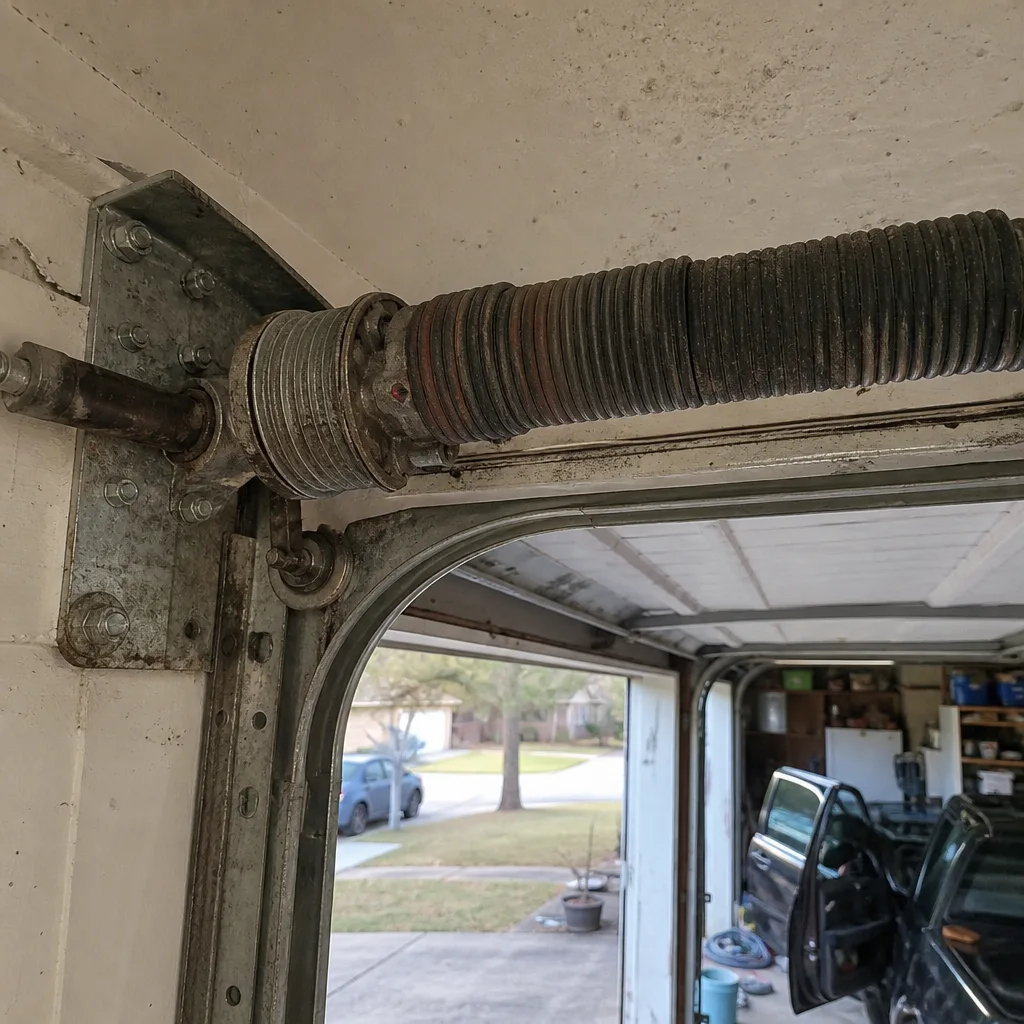 Before
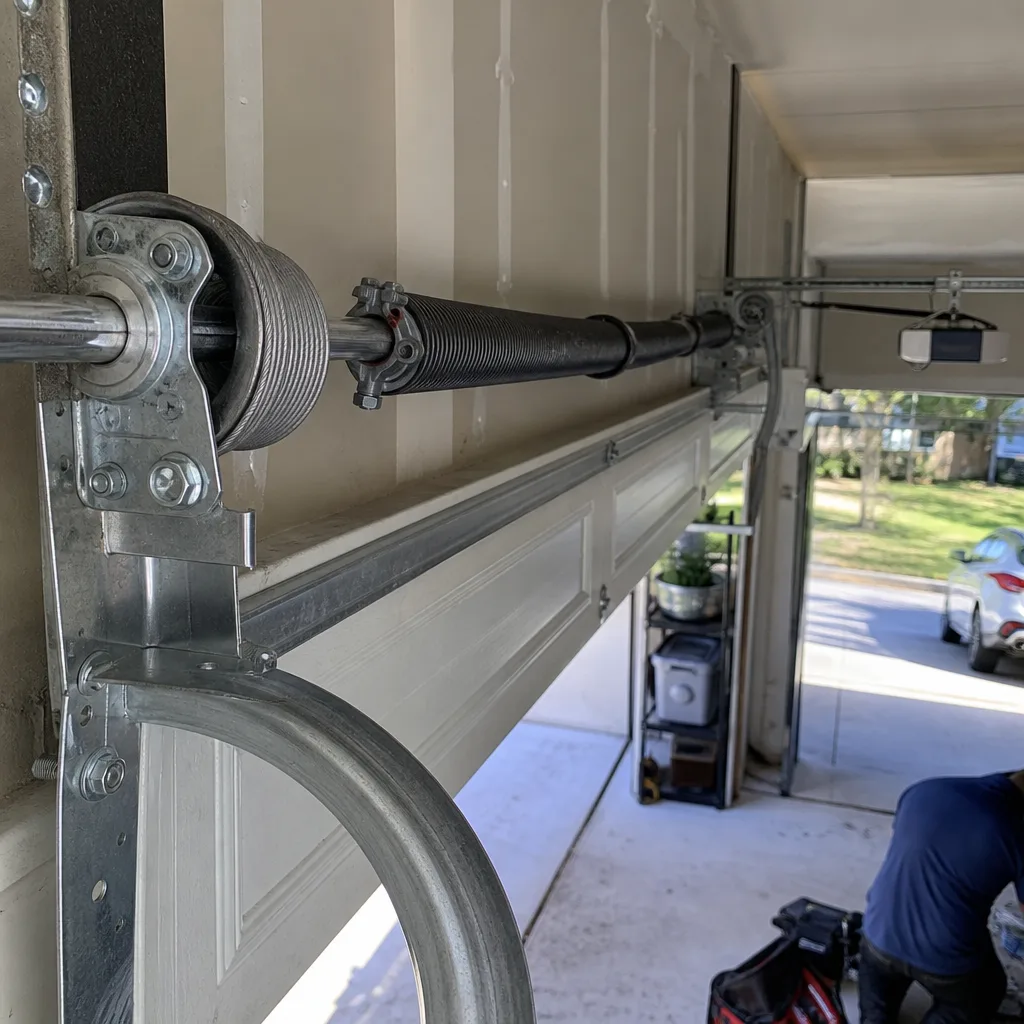 After
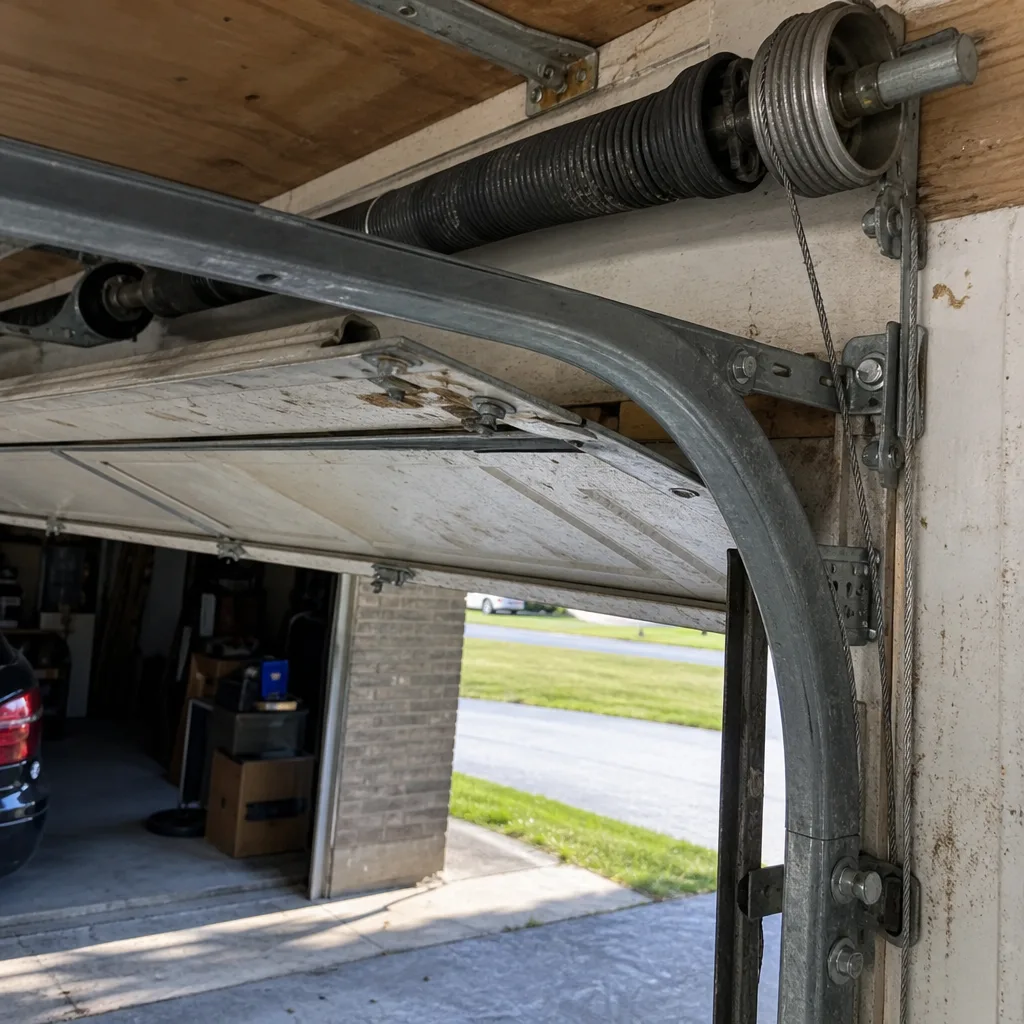 Before
 After
 Before
 After