Last updated October 30, 2026
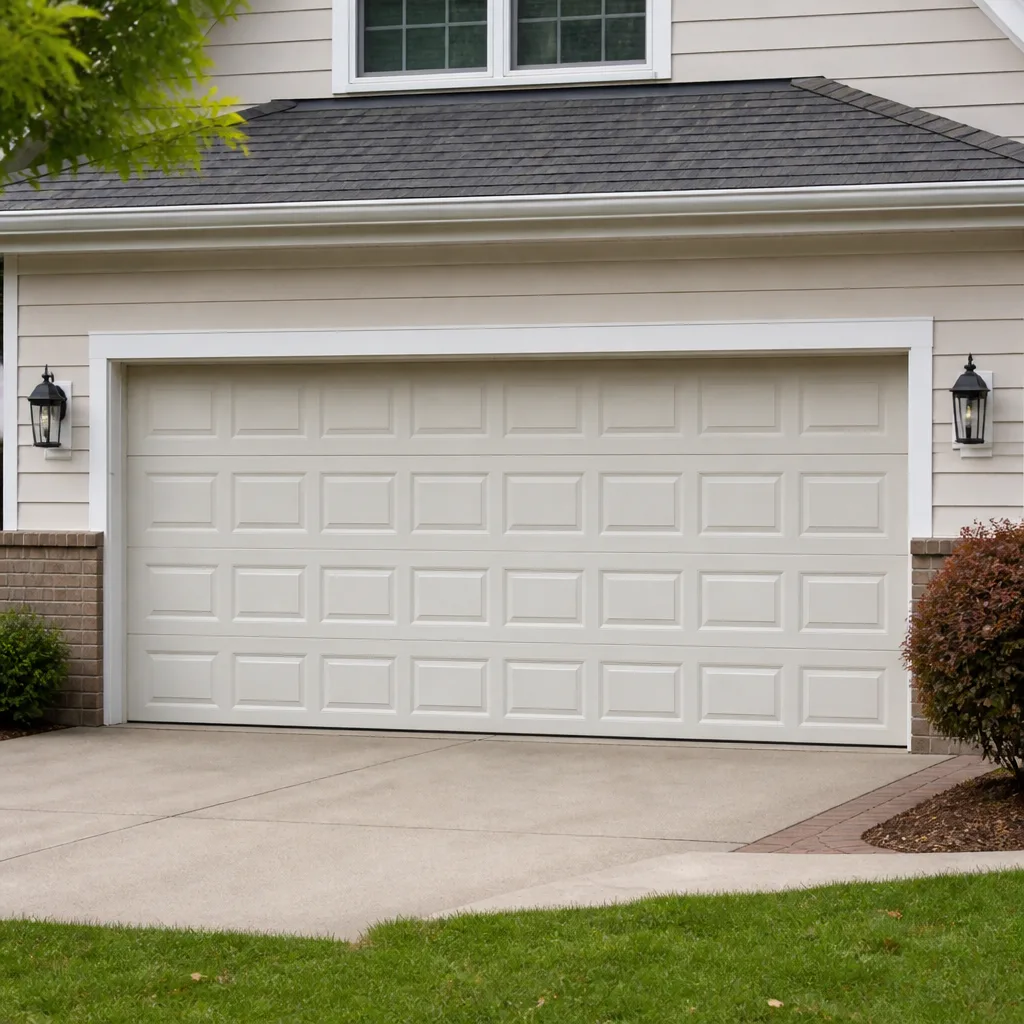 Raised-panel steel
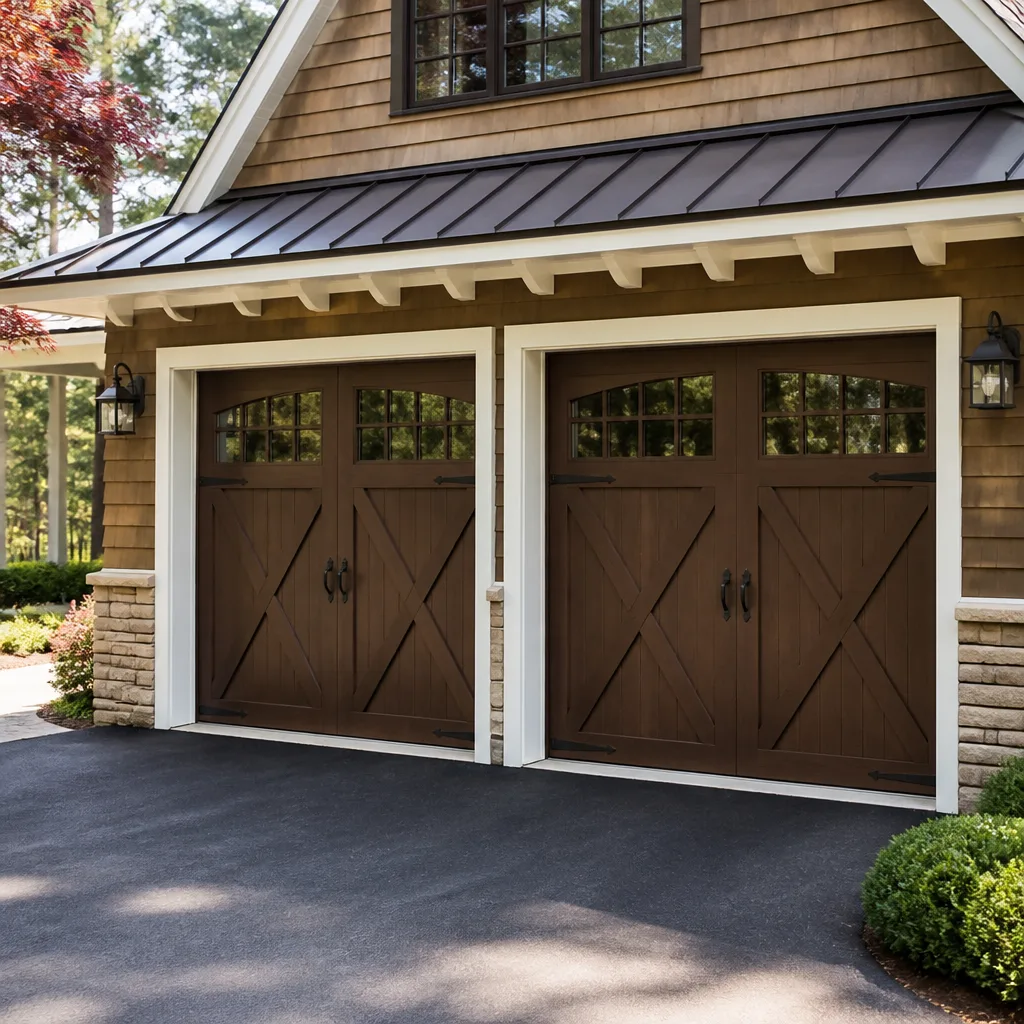 Carriage house
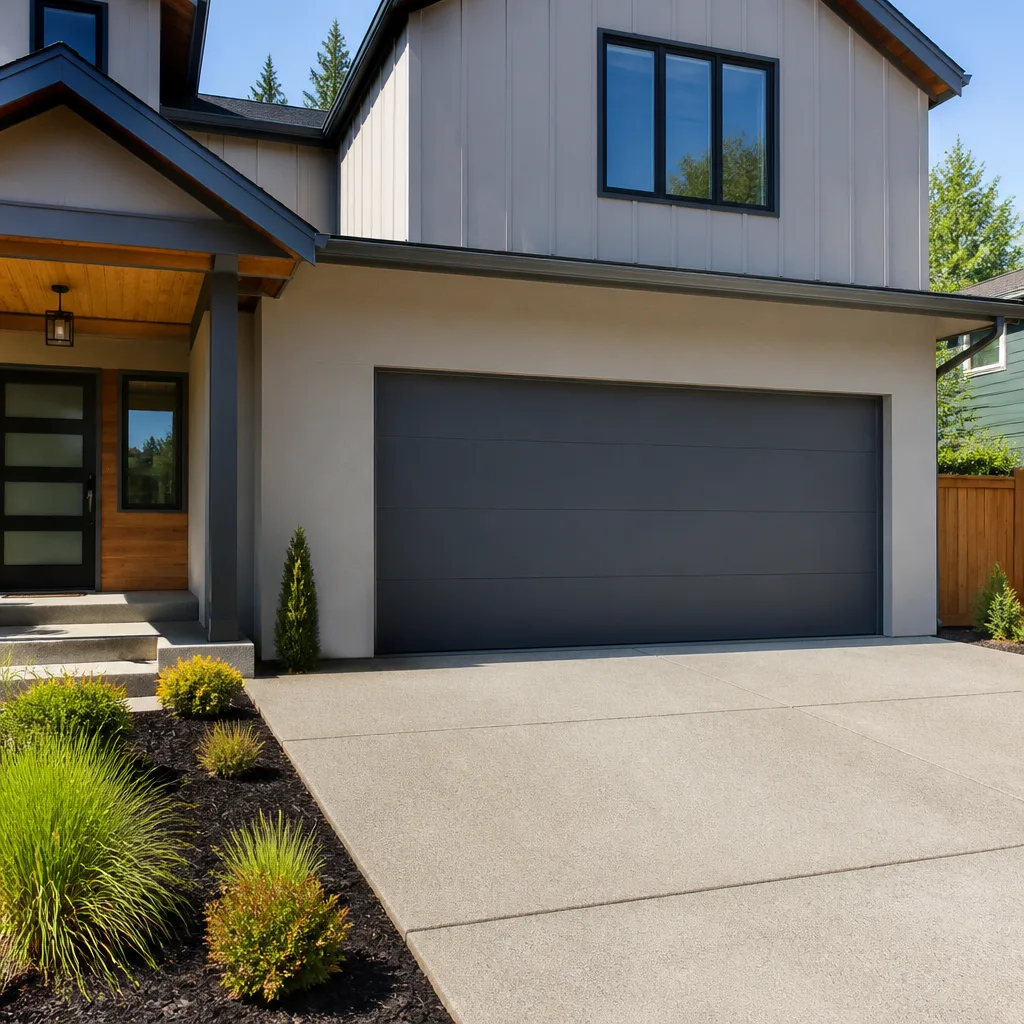 Modern flush
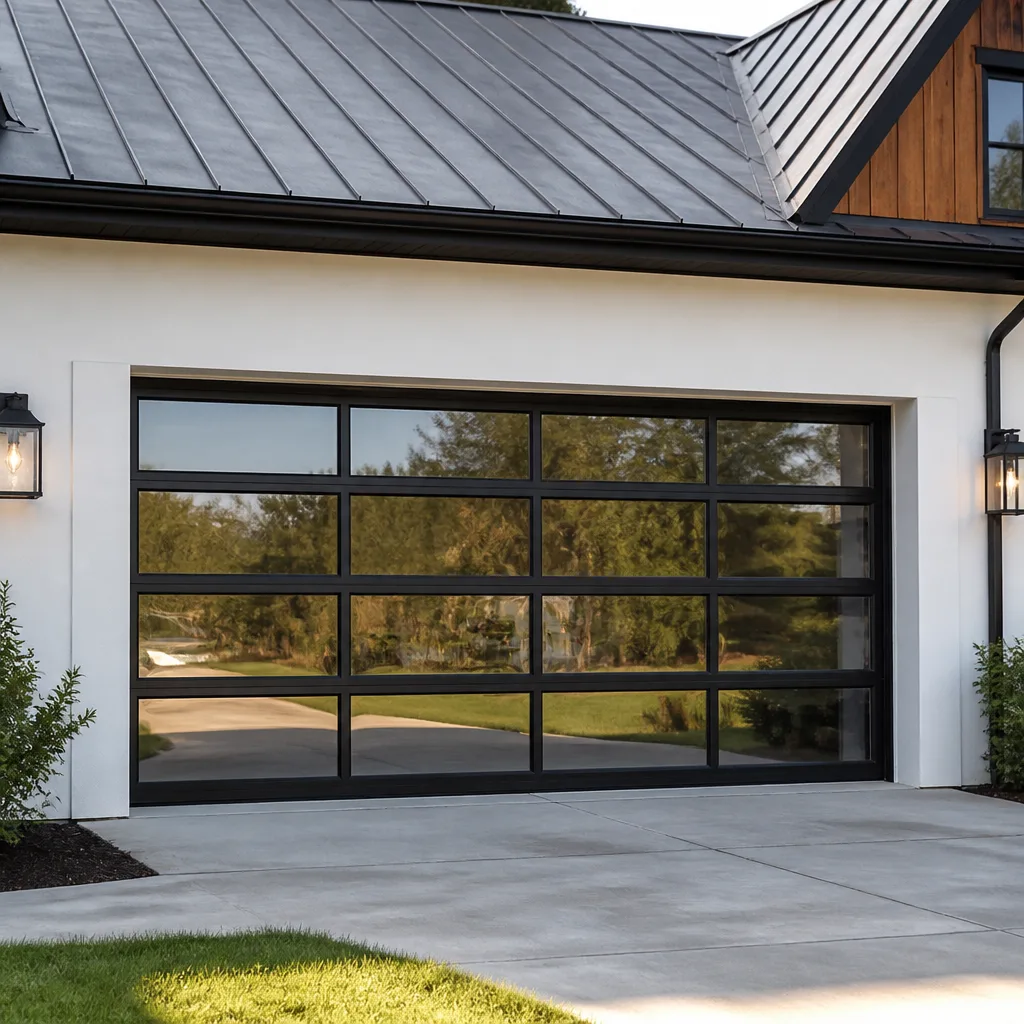 Full-view glass
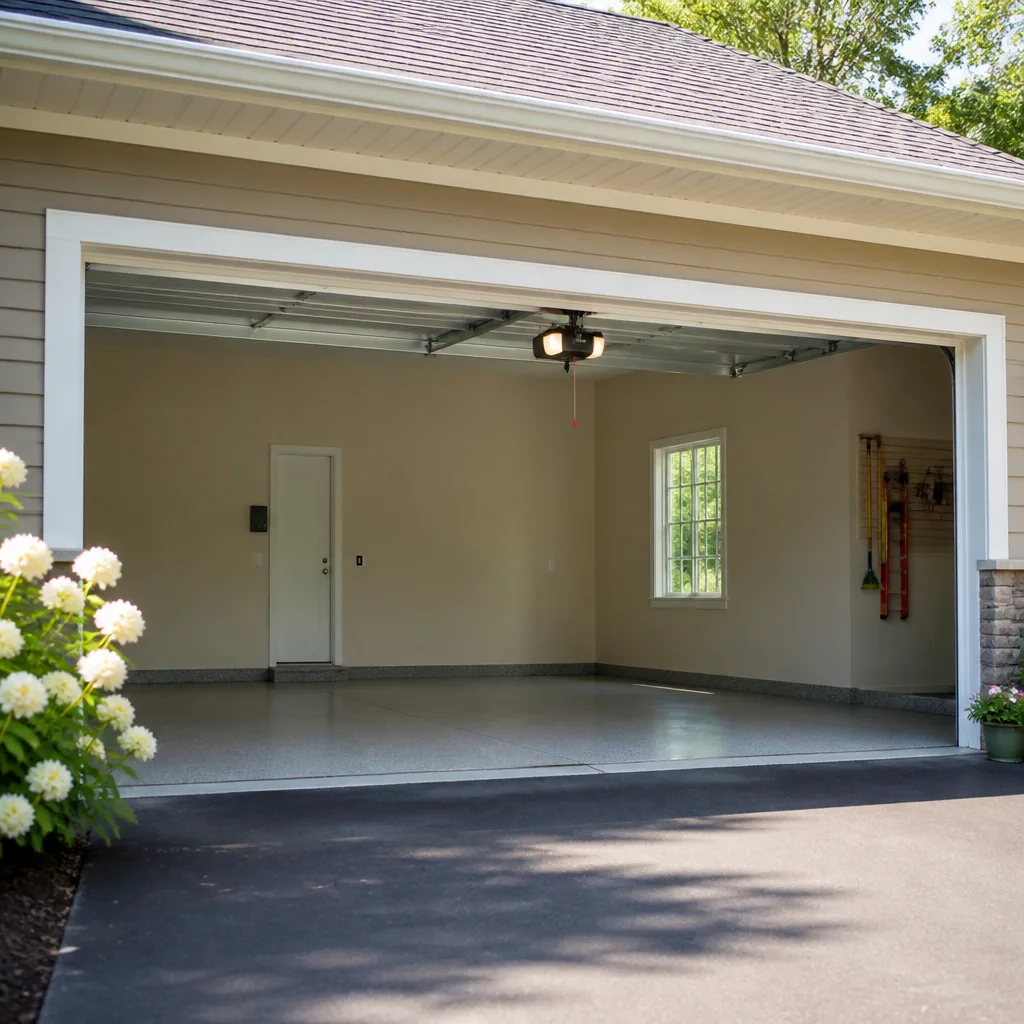 LiftMaster openers
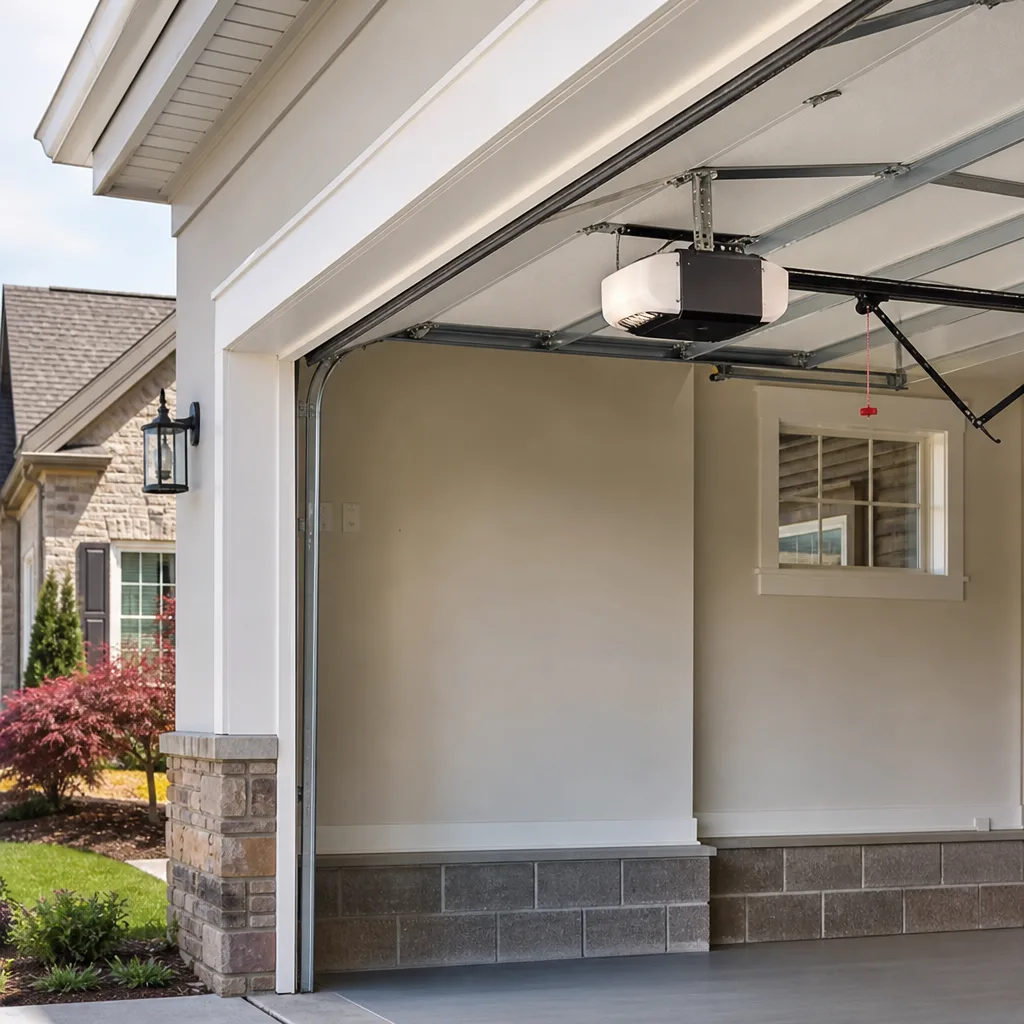 Chamberlain openers
Full 25-point door and opener safety check with every visit - springs, cables, rollers, tracks, and your LiftMaster or Chamberlain opener included
You get a price before we start. It does not change when the truck arrives.
Get your free estimateSeasonal Garage Door Care for Alief: Year-Round Homeowner’s Guide
Forget the four-season maintenance calendar. Alief doesn’t work that way. What actually matters here is a three-season rhythm: hurricane prep from May through October, brutal summer heat that cooks opener circuit boards and thins out lubrication, and a short winter where one hard freeze can leave your door frozen to the concrete. This guide covers what to inspect, when to act, and what’s worth your money versus what’s a time sink. If you live in Alief and your garage door gets daily use, the next 15 minutes of reading will save you at least one emergency call this year.
Quick Answer
Seasonal garage door care in Alief means inspecting your door before hurricane season (reinforcing panels, checking rollers and hinges), managing heat stress from May through September (lubricating with high-temperature products, protecting opener electronics), and preparing for brief freezes in December and January (weatherstripping, opener gear warm-up). Most homeowners can handle monthly lubrication and visual checks themselves, but spring balancing, track alignment, and post-storm structural assessment should involve a professional.
Styles & brands we work with
Table of Contents
- Why Alief’s Climate Demands a Different Maintenance Calendar
- Hurricane Prep Season: What to Inspect Before June 1
- Summer Heat Stress: The Season That Silently Kills Garage Door Systems
- Alief’s Short Winter: Why One Freeze Causes More Failures Than a Northern Blizzard
- Post-Storm Inspection: Structural Damage vs. Cosmetic Wear
- The February – April Window: Best Time for Component Replacement in Alief
- Monthly Maintenance That Takes 15 Minutes
Why Alief’s Climate Demands a Different Maintenance Calendar
Alief sits in a weather pattern that punishes garage door systems in ways most online maintenance guides never address. The guides written for Dallas or Chicago assume you battle cold snaps for months, so they focus on weatherstripping and anti-freeze lubrication. That advice misfires here.
What Alief actually deals with is a combination of high humidity (which accelerates rust on torsion springs and roller bearings), sustained heat above 95°F (which degrades the plastic gears inside LiftMaster and Chamberlain openers faster than cold ever will), and tropical storm pressure systems (which test the structural integrity of your panels and track brackets). Houston’s average dew point from May to September runs above 70°F, and Alief’s proximity to Brays Bayou keeps that moisture in play even during dry spells.
The practical result: your garage door maintenance calendar should orbit around three dates. May 15 (pre-hurricane inspection), July 1 (mid-summer lubrication and opener check), and the first week of January (post-freeze assessment). If you do nothing else, hitting those three windows will catch the problems Alief’s climate actually creates.
Hurricane Prep Season: What to Inspect Before June 1
Alief has seen the effects of Harvey, and homeowners in the Sharpstown-adjacent neighborhoods know what wind-driven rain can do to a garage door. The door is the largest unbraced opening on your house, and when it fails during a storm, the pressure differential can lift your roof. This is not exaggeration, it’s the physics that FEMA documents repeatedly.
Here’s what to inspect before June 1:
- Panel seams and reinforcement struts. Walk the interior face of your door and look for any panel that flexes when pushed. A door that bows under hand pressure will bow badly under sustained wind load. If you have an older door without a reinforcement strut across the top panel, that’s the single highest-value upgrade for storm resistance.
- Roller play and track hardware. Grab the bottom of each roller stem and try to wiggle it. Any roller that moves more than 1/8 inch inside the track should be replaced. Loose rollers mean your door can bind mid-lift, which is exactly when wind pressure compounds the problem.
- Header and jamb anchors. Shine a flashlight at the top brackets where the tracks mount to the wall. Look for pulled screws, rust staining, or cracked drywall around the anchors. This is where the wind load concentrates, and it’s the most common failure point we see in Alief after tropical storm force winds.
- Bottom seal integrity. The rubber strip along the bottom edge keeps wind-driven rain out. Run your hand along it. If you feel cracks, brittleness, or gaps at the corners, replace it before June. A good bottom seal also keeps the pressure differential from pulling water under the door.
- Opener battery backup (if equipped). Some Genie and LiftMaster openers have battery backup options. If yours does, test it. Power failures during storms are common in Alief, and a garage door you can’t open when the grid is down is a real liability.
If this inspection reveals loose anchors, sagging panels, or rollers that need replacement, that’s a structural job. Falcon Garage Door Repair in Alief can assess and reinforce the door system, covering both the mechanical door components and the opener unit in one visit.
Summer Heat Stress: The Season That Silently Kills Garage Door Systems
Alief garages routinely hit 120°F inside during July and August afternoons. Your opener’s circuit board sits in that heat, along with the motor, the gear assembly, and every electronic component. This is where most opener failures in Alief actually originate, even though homeowners assume it’s mechanical wear.
What heat does to your opener:
- Capacitor degradation. The capacitor that gives your opener motor its starting jolt has a temperature rating. Sustained heat above 100°F shortens its lifespan dramatically. When a capacitor fails, the opener hums but won’t move, and the fix is a component replacement, not a full opener replacement.
- Drive gear stripping. Most LiftMaster and Chamberlain openers use a plastic drive gear as a sacrificial component. Heat softens that plastic. We see a spike in stripped drive gear calls every August in Alief, especially for openers more than eight years old.
- Logic board thermal cycling. Circuit boards expand and contract with temperature swings. In Alief, a garage that hits 130°F at 4 p.m. and drops to 80°F by 2 a.m. puts constant thermal stress on solder joints. This shows up as intermittent operation, ghost opens, or remote failures.
- Lubrication viscosity breakdown. Standard white lithium grease thins out and runs off above 90°F. After a few weeks of Texas heat, your torsion springs and roller bearings are running with no meaningful lubrication.
What to do each summer in Alief:
- Use a high-temperature-rated lubricant. Look for garage door lubricants specifically rated above 120°F. Avoid WD-40 (it’s a cleaner, not a lubricant) and heavy bearing grease that attracts Alief dust and grime. A silicone-based spray lubricant applied to rollers, hinges, and springs works well in Houston’s heat.
- Check for “heat chatter” in the opener. If your Genie or LiftMaster opener makes a grinding or chattering noise on hot afternoons but runs quiet in the morning, the drive gear is softening under heat. That’s an early warning sign worth addressing before it strips completely.
- Verify the opener’s ventilation. Some Alief garages have zero air movement. If your opener is mounted near the ceiling, trapped heat concentrates right at the unit. A small vent or fan moving air through the garage helps, but more practically, just know that openers in poorly ventilated garages die sooner. Budget for replacement accordingly.
- Adjust travel limits for door expansion. Steel doors physically expand in heat. If your travel limits were set in January, the door may bind or reverse unnecessarily in August. Check the force adjustment and travel limits on your Chamberlain or Genie opener each summer.
We service LiftMaster, Genie, and Chamberlain openers regularly in Alief, and the pattern is consistent: heat-related component failures outnumber everything else from June through September.
Alief’s Short Winter: Why One Freeze Causes More Failures Than a Northern Blizzard
Here’s the counterintuitive part. Minneapolis and Chicago see sub-zero temperatures all winter, but their garage door systems are set up for it. Alief sees maybe a week or two of freezing weather per year, and when it hits, systems that have been running fine in 95°F heat suddenly seize up.
The February 2021 freeze caught every unprepared system in Alief. Homeowners woke up to doors frozen to the slab, openers grinding against ice-seized rollers, and weatherstripping that shattered like glass.
What actually happens to your door during an Alief freeze:
- Bottom seal freezing to the concrete slab. Moisture from Alief’s high humidity condenses on the bottom seal, then freezes when the temperature drops below 25°F. The opener strains against the frozen seal, and if the open force is set too low, the door won’t open at all. If you force it manually, you can tear the seal off the door.
- Spring stiffness changes. Torsion springs are engineered steel. Cold makes them stiffer, increasing the effective weight of the door as far as the opener is concerned. In Alief, where springs are wound for hot-weather performance, a sudden cold snap can make the door feel noticeably heavier.
- Opener gear brittleness. The plastic gear in your LiftMaster or Chamberlain opener gets more brittle as temperatures drop. If the door is frozen to the slab and the opener tries to lift, the brittle gear strips. This is the single most common freeze-related failure we see in Alief.
- Safety sensor condensation. Rapid temperature drops create condensation on photo-eye sensors. The sensors misinterpret the fogging as an obstruction and refuse to close the door. This is not a broken sensor; it clears when the humidity drops, but it’s a frustrating cold-morning failure.
How to prep for the next Alief freeze:
- Replace your bottom seal before December. If it’s more than two years old or shows any cracking, swap it in the fall. A flexible rubber seal won’t bond to concrete the way old, hardened rubber does.
- Apply a thin layer of silicone lubricant to the bottom seal’s contact edge. This creates a moisture barrier that prevents ice adhesion to the slab.
- Increase the opener’s force setting slightly during cold snaps. Not permanently, just while temperatures are below 35°F. This gives the opener extra torque to break light ice without stripping the drive gear.
- Never use hot water to de-ice a frozen door. The thermal shock can crack panels. Let the door thaw naturally, or use a hair dryer on the bottom seal if you need to open it immediately.
- If the door feels sticky or the opener struggles, stop trying. Continuing to force a frozen or binding door is how you strip gears and burn out motors. Call a professional before the problem compounds.
Post-Storm Inspection: Structural Damage vs. Cosmetic Wear
After high winds or a tropical system passes through Alief, homeowners face a question: is my garage door still safe to operate? The answer isn’t always obvious. A door can look fine and have hidden structural compromise that fails days later, under normal use, potentially causing injury or property damage.
Here’s the inspection protocol we recommend for any Alief homeowner after significant wind or hail:
- Operate the door manually first. Disconnect the opener and lift the door by hand. It should move smoothly through the full travel without binding, without tipping, and without any section catching. A door that binds after a storm has either track damage or panel deformation.
- Check for panel sectioning delamination. Hail impacts and wind-driven debris can separate the steel skin from the insulating core inside a panel. Look for bulges, oil-canning (a panel that pops in and out when pressed), or visible separation at the panel edges. A delaminated panel has lost most of its structural integrity.
- Inspect every hinge and bracket for hairline cracks. Use a flashlight. Hairline cracks at the hinge mounting points or roller bracket bolts are a sign of fatigue from wind load. These cracks propagate quickly and are the leading cause of post-storm roller failures.
- Verify track alignment with a level. Vertical tracks should be plumb, horizontal tracks should be level, and the curve at the top should be smooth. If you don’t own a level, visually compare one side to the other. Storm pressure can push a track out of alignment by a quarter inch, which is enough to cause binding and roller wear.
- Test the balance. Disconnect the opener with the door halfway up. The door should hold position, neither rising nor falling more than an inch. If it drops, the storm stress may have affected spring tension. A door that slams shut on a bad spring is dangerous.
- Look at the emergency release condition. The red cord should be intact and undamaged. Wind vibration can loosen the release mechanism, leaving the door disconnected from the opener at a random moment.
Structural vs. cosmetic, in practical terms: small dents, surface scratches, and minor paint chips are cosmetic and can be ignored. Anything that changes the shape of a panel edge, alters the track alignment, or affects how the door moves is structural. When in doubt, have it inspected. A post-storm assessment is not the time to guess.
The February – April Window: Best Time for Component Replacement in Alief
There’s a reason we tell Alief homeowners to schedule major work between February and April: the weather is cooperative, the humidity is lower, and you’re completing upgrades before hurricane season starts. It’s also the window when suppliers have the most parts inventory available, which means faster turnaround on replacement panels, springs, and openers.
What makes this window optimal:
- Spring replacement done in March lasts through the summer. New torsion springs installed during Alief’s spring have settled in before the heat arrives. Springs installed in July, by contrast, are performing at high temperatures from day one, which slightly shortens the break-in period and can affect longevity.
- Opener replacement before April avoids the summer failure spike. If your opener is more than ten years old and has shown any heat-related symptoms in previous summers, replacing it in March beats waiting for a failure in August when you need the door working daily.
- Panel and track work dries properly in lower humidity. Any work involving adhesives, sealants, or paint adhesion benefits from Alief’s January – April weather when moisture is below the summer saturation point.
- You’re storm-ready by May 15. Complete structural reinforcements or full door replacement in April, and you walk into hurricane season with a system that’s already tested and settled.
This is also the busy season for professionals in Alief, so scheduling a few weeks out is normal. If you’re planning a full door installation or a major opener upgrade, getting on the calendar in February makes the process smoother than waiting until a May emergency.
Monthly Maintenance That Takes 15 Minutes
Most Alief homeowners won’t do a full seasonal inspection every month. That’s realistic. But there are a few monthly checks that catch developing problems early, and they’re quick enough to do while the garage door is already open.
- Listen to the door during one full open-close cycle. A smooth door is quiet, or at most a soft mechanical hum. Grinding, scraping, popping, or squealing all indicate something specific: dry rollers, misaligned tracks, a spring binding, or hinge wear. Learn what your door sounds like now so you notice changes later.
- Check the reversal safety system. Place a 2×4 on the ground under the door and close it. The door should reverse within two seconds of touching the board. This is the #1 safety feature on your system and it should be tested monthly, not annually.
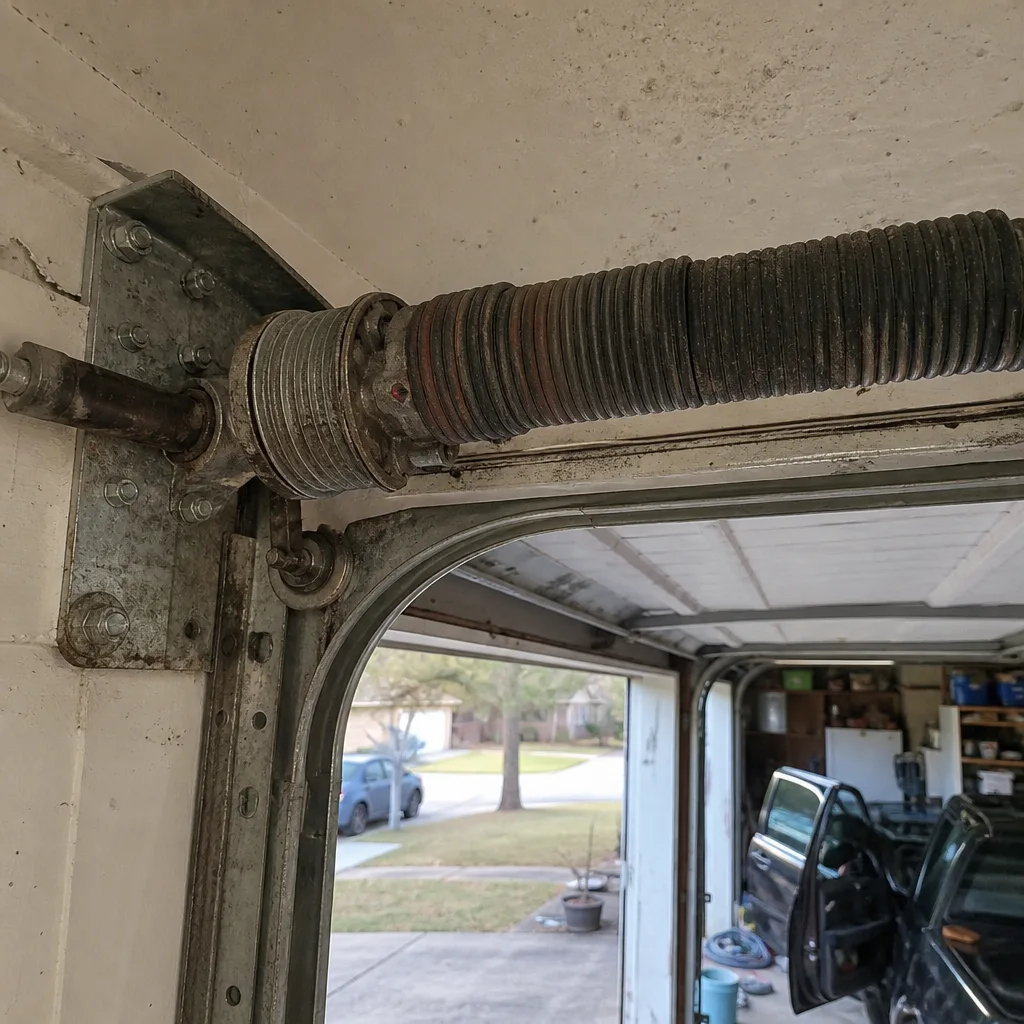
- Inspect the cables and springs visually. Look for frayed steel cables near the bottom bracket and rust or gaps on the torsion springs. You don’t need to touch them, just look. Any visible damage is a call-worthy issue.
- Confirm the photo-eye sensors are clean and aligned. A quick wipe of each sensor lens with a dry cloth prevents most false obstructions. In Alief’s humid climate, sensor lenses collect a film that interferes with the beam.
- Run a visual on the weatherstripping and bottom seal. Two minutes. Look for cracks, gaps, or separation. Alief’s UV exposure and heat cycles break down rubber seals faster than you’d expect.
Monthly maintenance is where you catch the small things before they become the expensive things. The Alief homeowners who do these checks report half the emergency calls.
Common Mistakes to Avoid
- Using WD-40 on garage door rollers and springs. WD-40 is a solvent, not a lubricant. It strips existing lubrication and leaves metal parts with less protection. Use a garage-door-specific silicone lubricant rated for high temperatures.
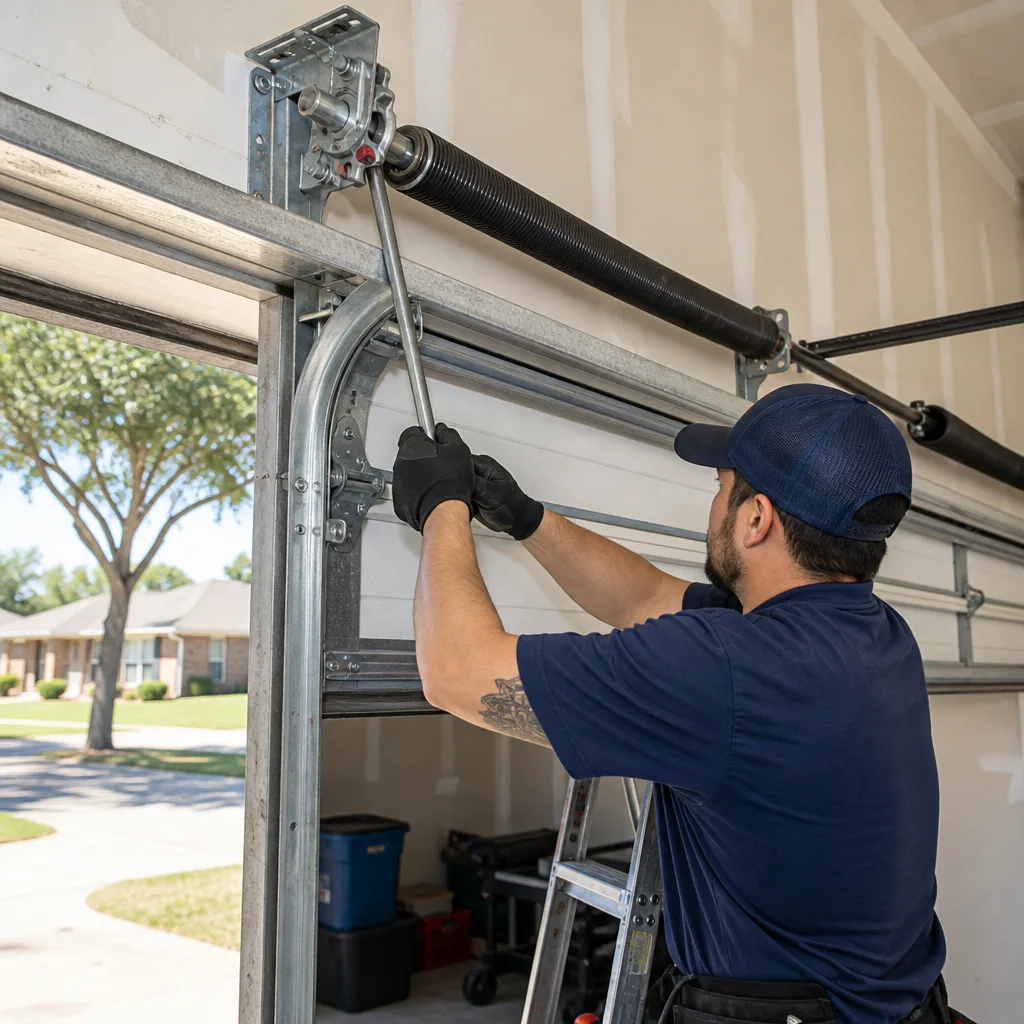
- Adjusting torsion springs without the right tools and training. The torsion spring is under hundreds of pounds of tension. A red spray-painted winding bar or an impact driver is not a safe substitute for the proper winding bars and technique. This is the one job where DIY can genuinely kill or maim you. Full stop.
- Ignoring a noisy door because it still opens. Noise is the first symptom of a developing problem. By the time the door stops working, that noisy roller has damaged the track, or that dry spring has developed a fatigue crack.
- Reusing old rollers on a new door. If you’re replacing the door in Alief, put new rollers in at the same time. The marginal savings from reusing ten-year-old rollers gets eaten by the labor of re-replacing them when they fail two years from now.
- Setting the opener force too high to “fix” a heavy door. A door that needs excess force to open has a balance or spring problem. Cranking up the opener force masks the issue while putting strain on the drive gear. Fix the door, not the setting.
- Neglecting the garage door until hurricane season, then over-reacting. Waiting until the first named storm is in the Gulf to do a full inspection means competing with every other Alief homeowner for the same service windows. Do the pre-season work in April.
- Failing to test the reversal system after a storm. Wind pressure can shift sensor alignment or affect the force settings. After any significant weather event, re-test the safety reversal to confirm the opener still reacts correctly.
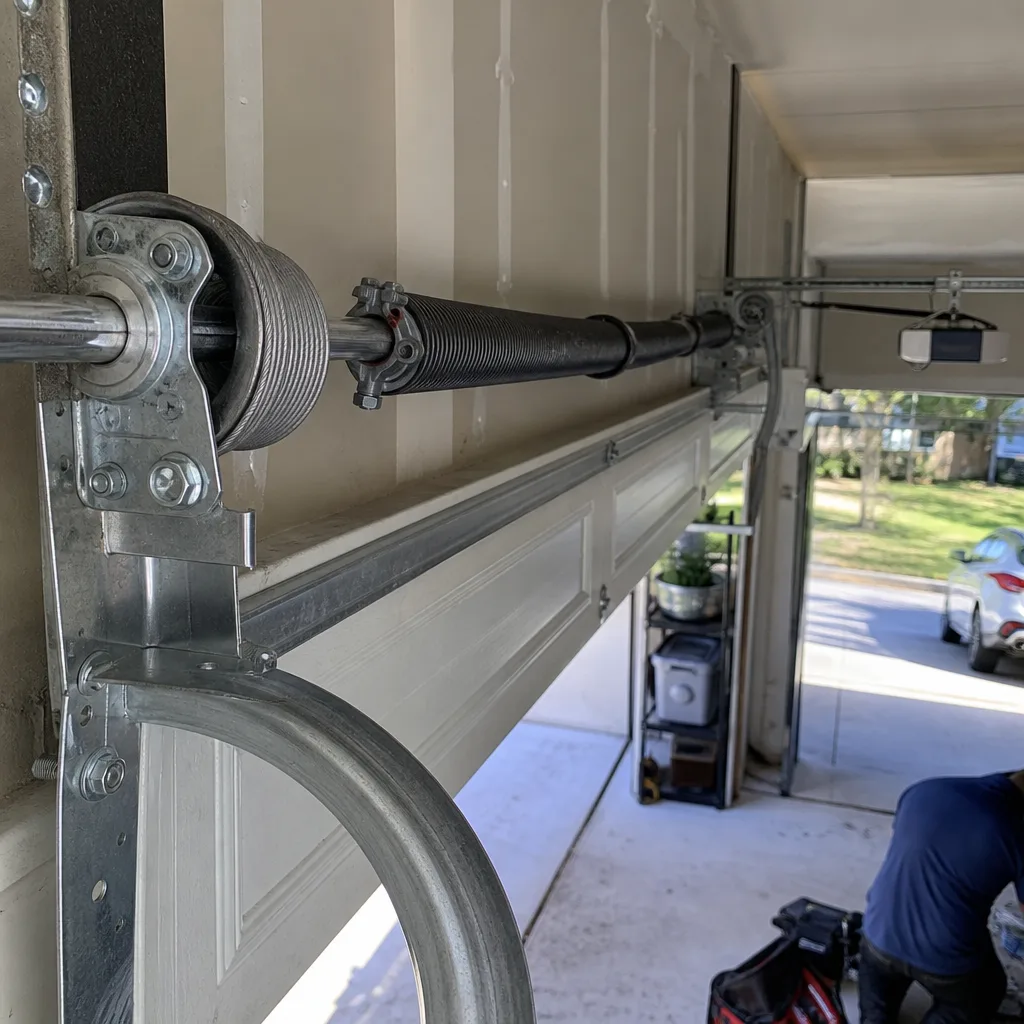
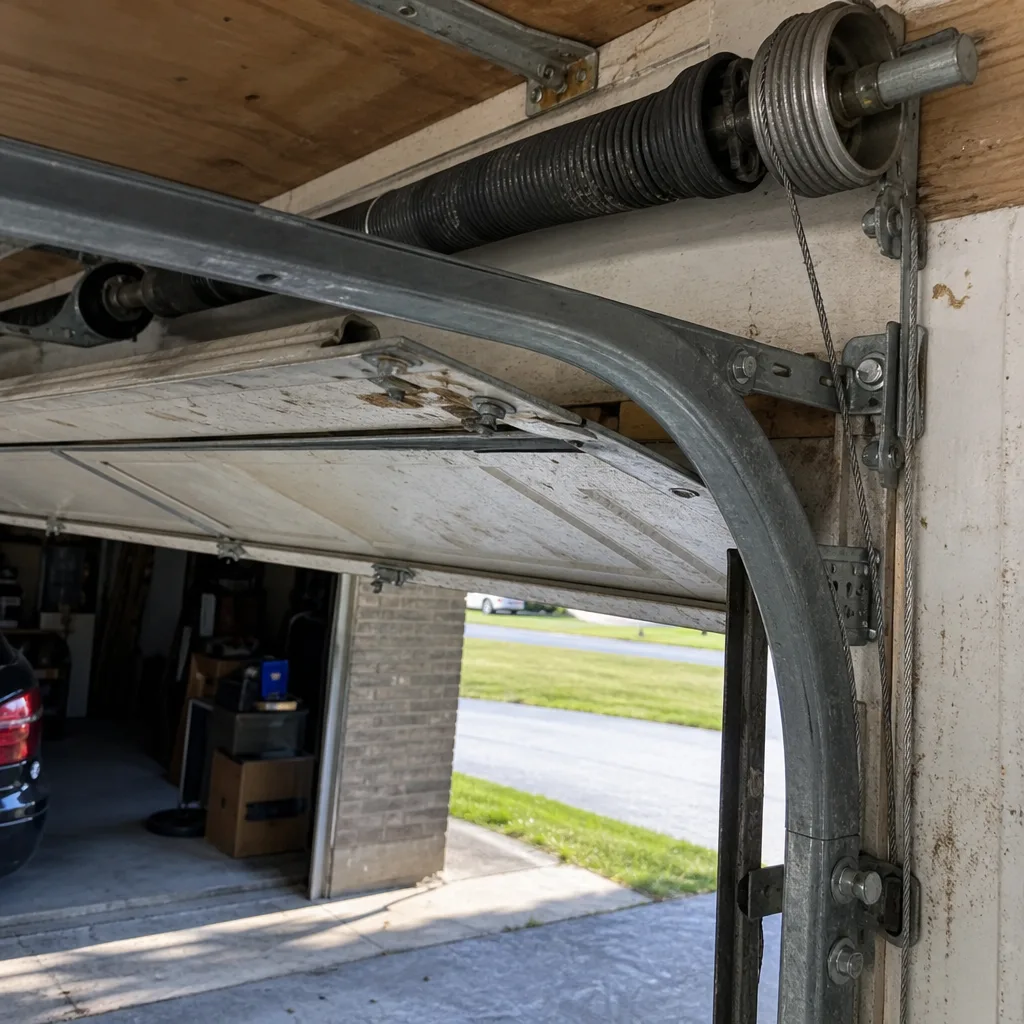
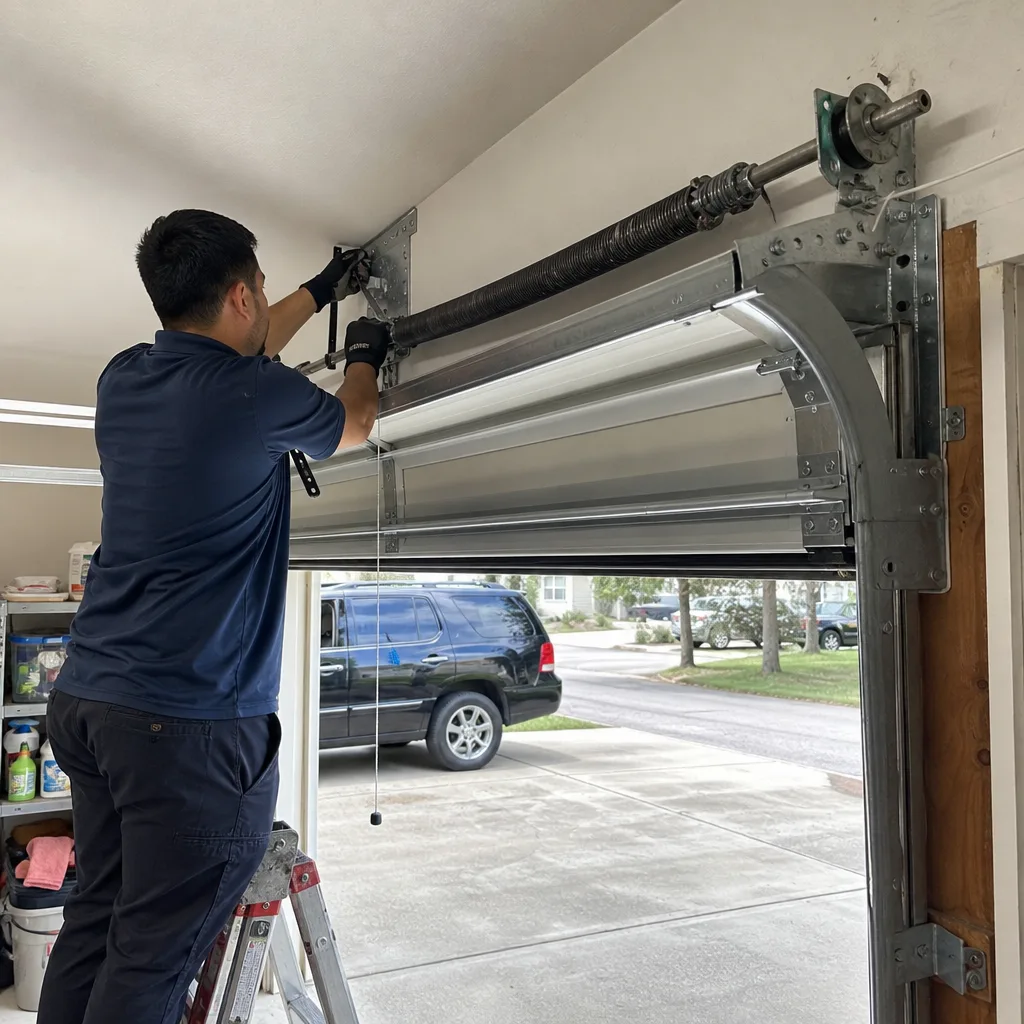
See the difference
 Before
 After
 Before
 After
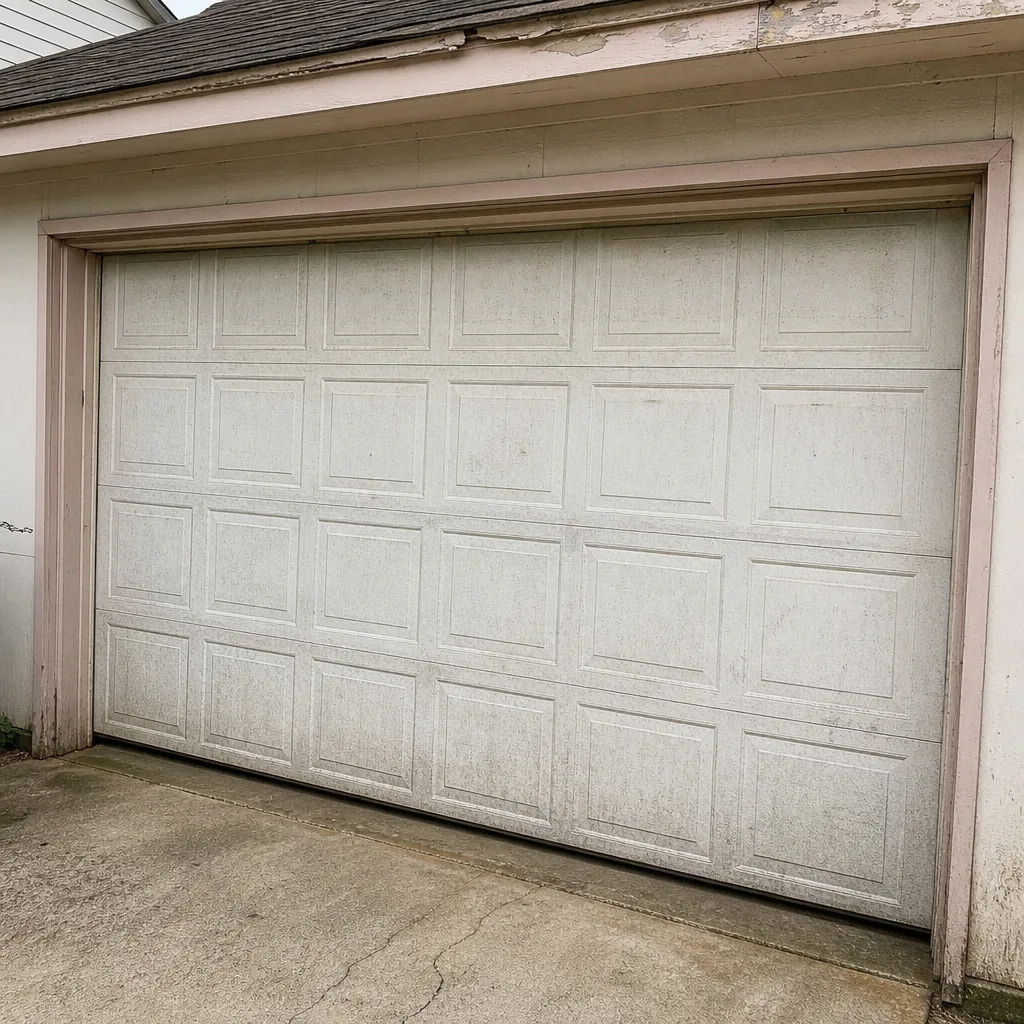 Before
 After
When to Call a Professional
Any time the work involves the torsion spring, the cables under tension, or the track alignment, a professional should handle it. That’s not about discouraging capable DIYers; it’s about the physics involved. A torsion spring under tension stores enough energy to break bones or worse if it releases unexpectedly. Cables run through pulleys and brackets at the bottom corners, and they’re under equal tension.
Other scenarios where a pro makes sense: a door off its tracks, repeated opener failure after you’ve replaced the capacitor, structural damage from a storm, or any time you hear a loud “bang” from the garage that sounds like a rifle shot (that’s a spring failure).
Falcon Garage Door Repair offers free estimates in Alief. Call (833) 589-6911, describe what you’re seeing, and we’ll tell you whether it’s a same-visit fix or something that needs to be scheduled.
Frequently Asked Questions
How often should I lubricate my garage door in Alief?
Monthly lubrication is ideal for Alief’s climate, but a practical minimum is every three months during the summer heat (May through September) and once during the winter. High temperatures break down lubricant viscosity quickly, so spring and summer demand more frequent application. Use a silicone-based garage door lubricant rated for high temperatures, applied to rollers, hinges, and springs.
Can a garage door survive hurricane-force winds in Alief?
Doors with wind-load reinforcement, including a strut on the top panel and proper track anchoring, can withstand significant wind when installed correctly. Standard non-reinforced doors may fail under sustained tropical storm force winds. The biggest factor is the door’s condition and whether it’s been properly reinforced. If you’re unsure what your door is rated for, a professional assessment before storm season is worth the time. Call Falcon Garage Door Repair at (833) 589-6911 to schedule a pre-season check.
Why does my garage door opener work in the morning but not on hot afternoons?
That pattern classically indicates heat-related component failure in the opener. The most common culprits are a capacitor that’s lost its ability to hold charge at high temperatures or a drive gear that’s softening under heat. Both are repairable without replacing the entire opener. LiftMaster, Chamberlain, and Genie openers all use similar component architecture, and the fix is usually straightforward for a technician who understands the specific model.
What’s the most important pre-hurricane check for a garage door in Alief?
The reinforcement strut on the top panel and the anchor points where the tracks meet the wall. If your top panel flexes under hand pressure or the track anchors show any rust or looseness, that’s the failure path for hurricane force winds. Fix those two items and your door’s wind resistance is significantly improved.
How long do garage door springs last in Alief’s climate?
Torsion springs in Alief typically last between 7 and 12 years, with heat and humidity being the primary factors that shorten that lifespan. Springs are rated in cycles, not years, and a door that opens four times per day will wear out a 10,000-cycle spring in roughly seven years. If your springs are more than eight years old and you notice the door feeling heavier or moving unevenly, it’s time to plan for replacement before they fail.
Is it worth getting a garage door tune-up before hurricane season?
Yes, and the best time in Alief is April or early May, before every other homeowner starts calling. A tune-up should include spring tension check and adjustment, roller and hinge inspection, track alignment verification, lubrication, safety reversal testing, and a full opener function check. The cost is modest compared to the cost of a door failure during a storm. Falcon Garage Door Repair in Alief offers free estimates for pre-season maintenance, and you can reach us at (833) 589-6911.
The Bottom Line
Alief’s climate creates three distinct seasons for your garage door, and none of them match a generic maintenance calendar. Hurricane prep before June, heat management through the summer, and freeze readiness in early winter are the real schedule. Monthly lubrication and visual checks catch developing problems before they become breakdowns. The torsion spring, cables, and track work should always be handled by professionals, and post-storm inspections matter more than most homeowners realize. If you do the pre-season work in the February – April window, you’ll walk into every Houston weather event with a door that’s ready. When something does go wrong, Falcon Garage Door Repair handles both the door and the opener in one call, working on the brands most Alief garages already have: LiftMaster, Chamberlain, Genie, and Clopay. Call (833) 589-6911 for a free estimate, and we’ll get your system back to working order quickly, precisely, and for the long haul.
Written by the team at Falcon Garage Door Repair, serving Alief since 2018.