
Last updated October 30, 2026
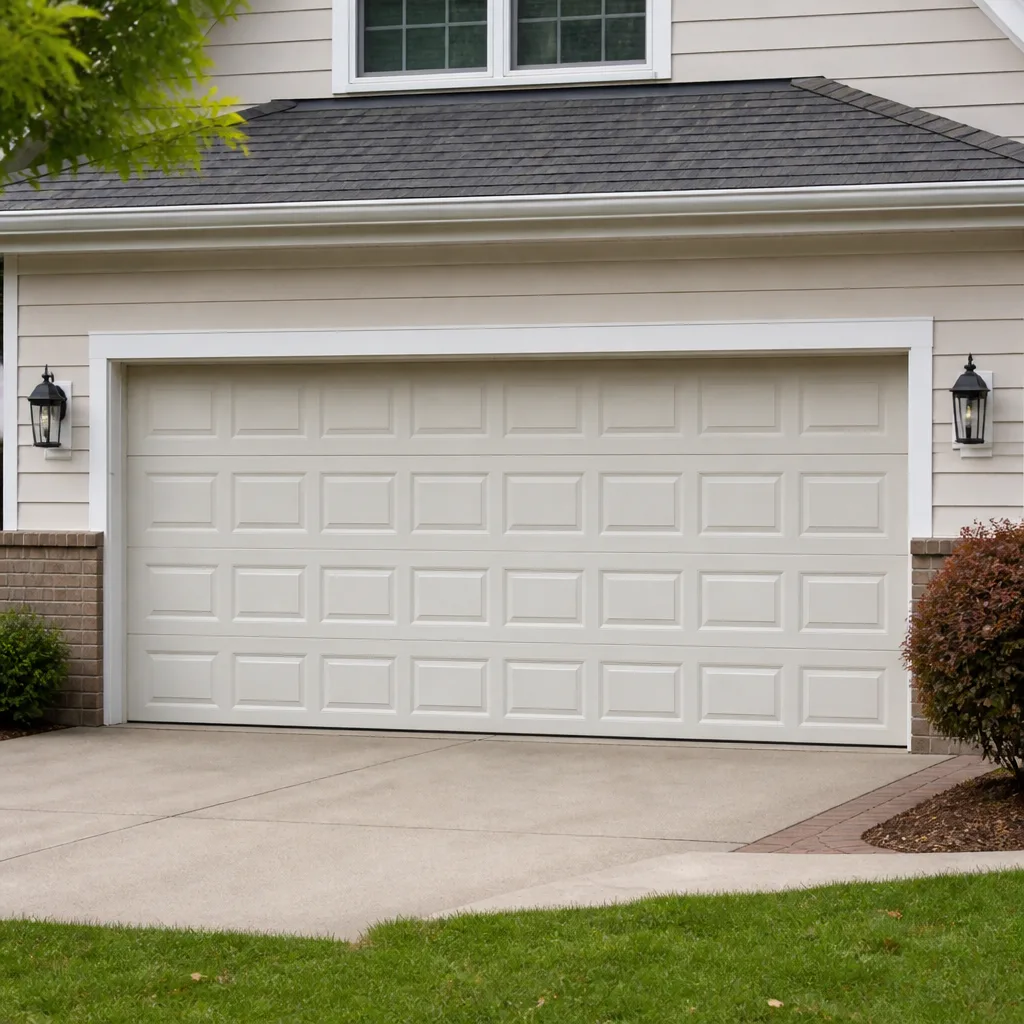 Raised-panel steel
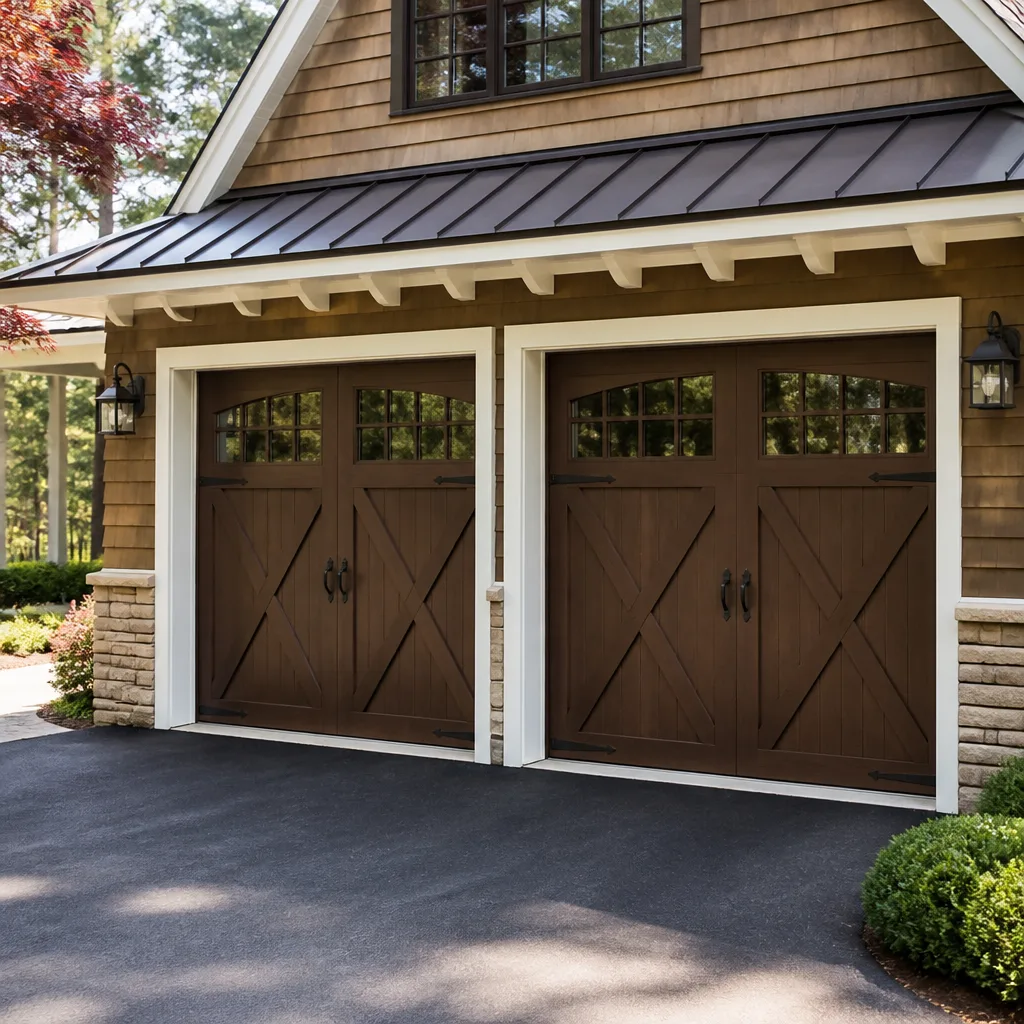 Carriage house
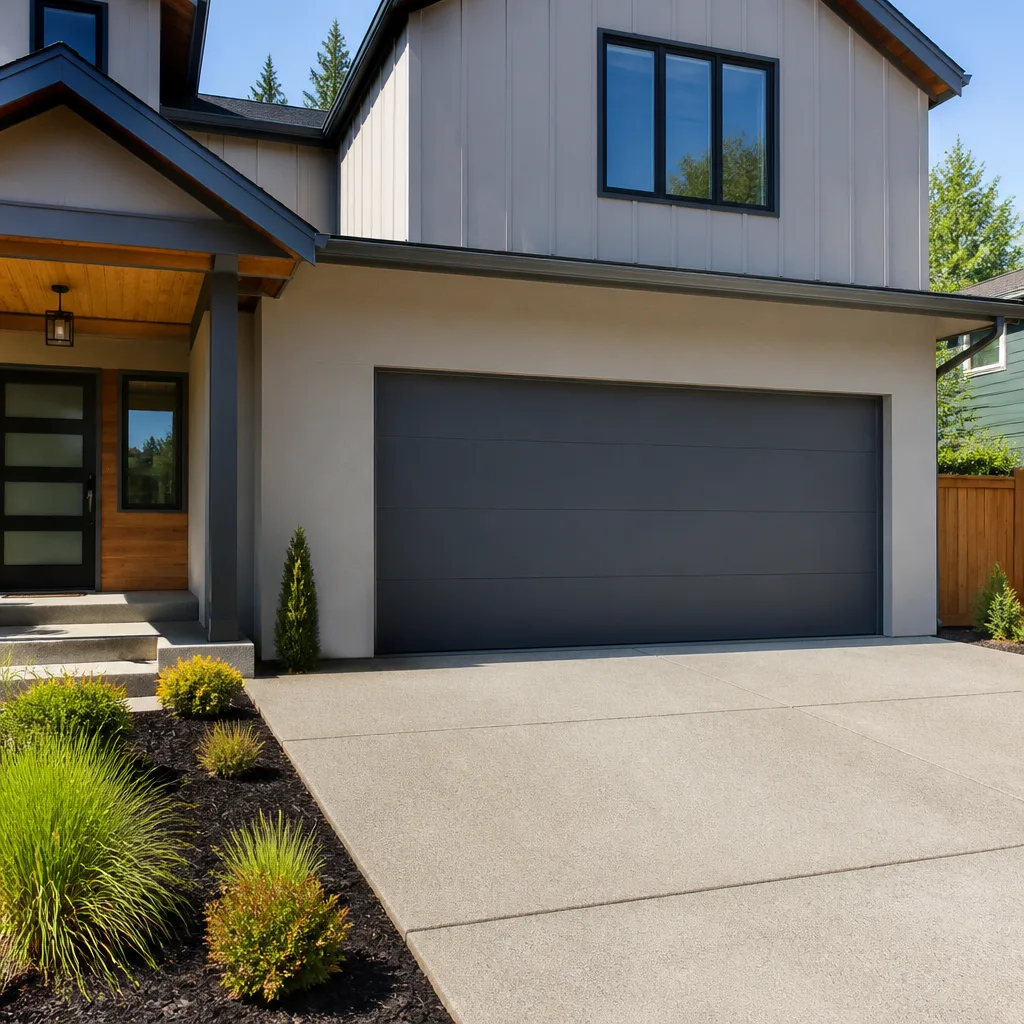 Modern flush
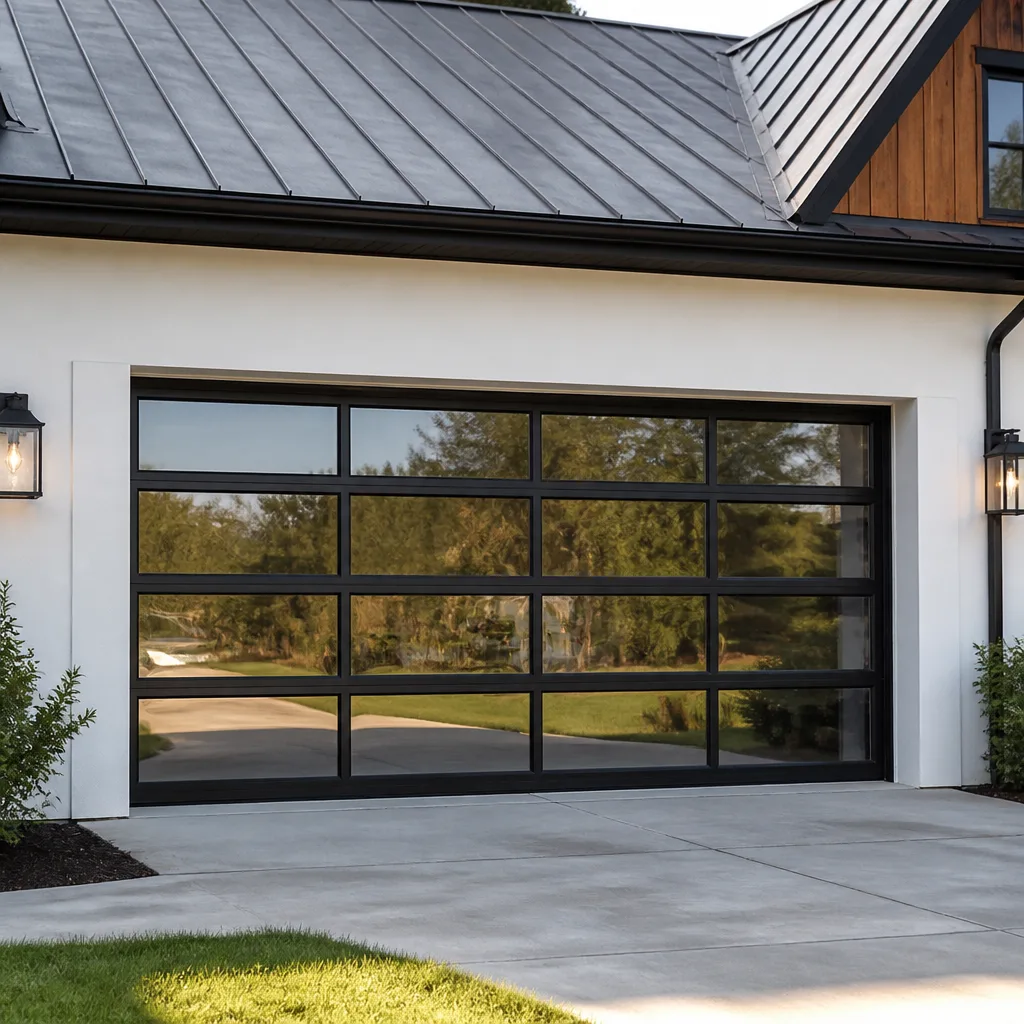 Full-view glass
 LiftMaster openers
 Chamberlain openers
Full 25-point door and opener safety check with every visit - springs, cables, rollers, tracks, and your LiftMaster or Chamberlain opener included
You get a price before we start. It does not change when the truck arrives.
Get your free estimateGarage Door Warning Signs: A Alief Homeowner’s Reference Guide
A garage door rarely fails without warning. It fails after months of quiet signals that most Alief homeowners dismiss as normal wear. We have watched this pattern repeat across thousands of service calls: the door makes a new sound in March, gets slightly slower by June, develops a visible gap by September, and locks up completely on a humid August morning when the owner is already late for work. The signals are almost always present. The question is whether you know how to read them.
This guide breaks down what your garage door is telling you in Alief before the failure happens. You will learn which sounds map to which components, which visual cues demand same-week action, how to run a two-minute balance test in your own garage, and why Alief’s specific climate accelerates certain types of wear that you will not read about in generic garage door articles. By the end, you will know when to tighten, when to replace, and when to pick up the phone.
Styles & brands we work with
Quick Answer
The most common garage door warning signs in Alief, TX are grinding or popping sounds during operation, a door that visibly sags on one side, cables that show fraying or looseness, a door that takes noticeably longer to open or close than it did six months ago, and weatherstripping along the bottom that has cracked or pulled away. Any one of these signals means a component is already wearing past its safe service window. Three or more signals together usually mean you are weeks, not months, from a full failure. If your door fails the balance test described below, stop using it and call a garage door specialist before the spring lets go.
Table of Contents
- The Sound Taxonomy: What Your Garage Door Is Saying
- Visual Cues: Urgent vs. Cosmetic
- Response Time as a Warning Sign
- The Balance Test: Your Two-Minute Diagnostic
- Warning Signs Specific to Alief’s Climate
- Age Milestones: When Components Hit Their Limits
- Common Mistakes to Avoid
- When to Call a Professional
- Frequently Asked Questions
- The Bottom Line
The Sound Taxonomy: What Your Garage Door Is Saying
Sound is the earliest and most reliable warning system your garage door has. Every component in the system makes a distinct noise when it begins to fail, and learning to map those sounds to specific parts will tell you exactly what needs attention before a technician ever arrives. In our experience serving Alief garages, most homeowners describe the symptoms accurately when asked the right questions. The mapping below is what we use on the phone to decide whether a call is urgent or routine.
Here is what specific sounds indicate about specific components:
- Grinding (metal on metal): The rollers are the most common culprit. When roller bearings wear out on Chamberlain or Genie track systems, the roller stops spinning and starts sliding, producing a grinding sound that worsens each week. If the grinding is paired with visible metal shavings on the track, the roller has already started machining the track itself. That is a replace-soon situation, not a wait-and-see.
- Popping or snapping during operation: This is the sound of a torsion spring under stress, and it deserves immediate attention. A spring that pops while the door moves is showing signs of metal fatigue, and these springs are under enough tension to cause serious injury if they break while someone is standing nearby. If you hear repeated popping from the spring assembly above the door, stop using the door and call a professional. We carry replacement springs for every major brand, and the fix is routine, but the failure is not something to gamble on.
- Squealing or high-pitched whining: Most often traced to either the opener’s drive belt or the door’s hinges. A Chamberlain belt-drive opener that begins to whine is usually telling you a pulley bearing is dry or failing. A door that squeals only near the top of its travel is more likely the hinge pins. Both are inexpensive to address early and expensive to address late.
- Rattling from the door panels: Loose hinge fasteners or worn roller brackets. In Alief, where daily opening cycles are high for commuters, hardware works itself loose faster than in colder climates. A quick tightening often resolves it, but if the rattling returns within weeks, the bracket holes may have elongated and the door panel will need hardware resizing or replacement.
- A single loud bang, then nothing: The spring just broke. Do not try to open the door. Call for spring replacement. This is one repair where DIY attempts are genuinely dangerous.
Visual Cues: Urgent vs. Cosmetic
Not every visible issue on a garage door is an emergency. Some visual wear is purely cosmetic and can be ignored for years. Other visual cues indicate a system that is actively failing and will strand your car in the garage or, worse, send a 150-pound door panel falling. Learning to separate the two categories is the single most valuable skill in this guide.
Here is the split as we teach it to every Alief homeowner we work with:
Urgent visual cues (act within days, not weeks):
- Frayed cables: The lift cables on either side of the door are under constant tension. When strands begin to separate, the cable is within days or weeks of snapping. A snapped cable under load can whip and cause injury, and it will absolutely drop one side of the door suddenly. If you can see fraying, the cable is done. Do not run the door. This is a same-day repair candidate.
- Gap asymmetry: When the door is closed, the gap between the bottom of the door and the garage floor should be consistent from left to right. A visible difference of more than a quarter inch means the door is either twisting, one spring is doing more work than the other, or a cable has slipped on its drum. All three causes get worse with use.
- Rust on the springs themselves: Surface rust on the door panels is cosmetic. Surface rust on a torsion spring is not. Rust creates micro-pitting on the spring wire, and those pits become stress concentration points. A rusted spring is a spring that breaks sooner than its rated cycle life. In Alief’s humidity, this accelerates measurably.
- Door sits crooked in the opening: A door that visibly tilts when halfway open has a balance problem. Run the balance test in the next section. If it fails, stop using the door.
Non-urgent visual cues (monitor, do not panic):
- Surface rust on panels: Cosmetic, especially on older steel doors. Treat it with a rust converter and repaint when convenient. It does not affect function until it penetrates the panel skin.
- Faded or peeling paint: Purely cosmetic. Repaint when you want to improve curb appeal. No functional impact.
- Light surface scratches and dents: Dents smaller than a few inches and not affecting the panel seams are cosmetic. Dents that push the panel into the track path or deform the panel edges are functional and should be looked at.
- Dirty tracks: Dust and grime accumulate in every Alief garage. Wipe tracks down every few months with a dry cloth. Dirt alone will not damage the system unless it is abrasive enough to score the track surface, which takes years of neglect.
Response Time as a Warning Sign
The slow decay of a garage door’s performance is the warning sign Alief homeowners miss most often. Doors do not usually lose speed overnight. They lose a fraction of a second per month for six or twelve or eighteen months, and because the change is gradual, your brain normalizes it. Then one morning the door takes a full ten seconds longer, and it feels like the slowdown came out of nowhere. It did not. You just stopped noticing the increments.
A garage door opener is a motor driving a load through a gear train or belt. When that load increases because of spring fatigue, the motor works harder and moves slower. When the motor itself begins to wear, it loses torque and moves slower. When the capacitor in the opener starts to degrade, the motor loses starting power and moves slower. All three causes present as the same symptom: the door takes longer to complete its travel than it used to.
Here is the practical test we recommend to our Alief customers:
- Establish a baseline. Next time you run the door, time it from fully closed to fully open using your phone. A healthy residential door in good condition takes between 8 and 12 seconds, depending on the opener model and door height.
- Check against the baseline. Run the same test once a month. If the time increases by more than 10% (roughly one second), something is changing.
- Listen during the timing run. A slower door that is quiet is more likely a motor or capacitor issue. A slower door that is louder is more likely a spring or roller issue. The sound data plus the speed data points you at the right component.
A ten percent slowdown is not an emergency on its own, but it is a reliable early signal that a component is wearing faster than it should. Address it before the slower door becomes a dead door.
The Balance Test: Your Two-Minute Diagnostic
The balance test is the single most useful diagnostic a homeowner can run on any garage door, and it requires no tools. It tells you whether your torsion springs are doing their job or dying on the job. A door with healthy springs will lift with a few pounds of effort and stay where you put it. A door with failing springs will feel heavy and drift.
Here is how to run the test, step by step:
- Close the door completely. Never run the test with the door partially open.
- Disconnect the opener. Pull the red emergency release handle hanging from the opener rail. This disengages the motor so you are testing the door itself, not the opener.
- Lift the door manually to about waist height. A properly balanced door will move smoothly and stay in place when you release it.
- Release the door at waist height. A balanced door stays put. It should neither rise nor fall more than an inch or two.
- Test at two more positions. Repeat the stay-put test at chest height and about a foot from fully open. A healthy door holds position at all three points.
- Reconnect the opener. Pull the emergency release again and run the opener once to reseat the carriage.
If the door drops below waist height when released, the springs are under-tensioned or failing. If it shoots upward when released, the springs are over-tensioned, which is less common but also needs correction. Either way, the springs are no longer matched to the door’s weight, and the opener is compensating for the imbalance every time it runs. That compensation is murder on opener gears and belts, which means a spring problem left unaddressed becomes an opener problem for free.
Do not attempt spring replacement yourself. Torsion springs are under extreme tension, and the tools and technique required are not things a weekend YouTube session can safely teach. We have replaced more springs in Alief garages than we can count, and we still treat every spring job with the same procedure every time. Springs fail predictably. The failure is the dangerous part.
Warning Signs Specific to Alief’s Climate
Garage door wear patterns are not the same everywhere. Alief’s specific climate profile, high humidity through most of the year, intense summer heat, and salt-laced coastal air that pushes inland from the Gulf, creates failure patterns that a homeowner in Dallas or Lubbock will never see. If you read generic garage door advice from a national site, you will miss the signals that matter most in your specific garage, so follow our Seasonal Garage Door Care for Alief: Year-Round Homeowner’s Guide instead.
Here are the Alief-specific warning signs we see most on service calls across the area:
Weatherstripping shrinkage and bottom seal cracking
The rubber and PVC seals on Alief garage doors take a beating from heat and humidity. The bottom seal, the strip that runs along the lower edge of the door, dries out and cracks faster in Alief than in almost any other Texas climate we have worked in. When that seal cracks, you get three problems at once: rainwater and humidity enter the garage, pests have a highway in, and the door no longer seals against the floor, so your air-conditioned air leaks out into the garage and the garage air leaks in. Check the bottom seal every spring and fall. If it is cracked, hardened, or pulling away at the corners, replace it. It is a twenty-minute job with the right part.
Panel warping on west-facing doors
Garage doors that face west get hit with the full afternoon Alief sun, and steel panels absorb that heat hour after hour. Over years, panels can warp slightly, especially on doors with dark paint colors. A warped panel does not sit flat against the track, and that creates increased roller friction, uneven load on the springs, and a door that visibly flexes when moving. If your west-facing door has developed a visible bow or bulge, it is not going to straighten itself out. The panel will need replacement or the door will eventually bind.
Track corrosion acceleration
Alief’s humidity keeps moisture in contact with bare metal surfaces far longer than a dry climate would. Tracks that have lost their protective coating, either from age or from a roller that scored the surface, will rust and pit faster here. Pitted tracks wear rollers prematurely, which then score the tracks further. It is a feedback loop. Inspect your tracks twice a year for rust spots, especially where the rollers travel.
Spring life reduction from humidity cycling
This is the least understood Alief-specific factor. Torsion springs are rated for a specific number of cycles, typically 10,000 on standard springs. But that rating assumes a clean, dry operating environment. In Alief’s humid climate, the microscopic surface moisture on spring wire, combined with the stress of each wind and unwind cycle, accelerates micro-cracking at the surface level. We replace springs in Alief garages that are technically within their rated cycle life but have failed from corrosion-assisted fatigue. The lesson: if your springs are over seven years old and show any surface rust, budget for replacement even if the balance test still passes.
Age Milestones: When Components Hit Their Limits
Every component in a garage door system has a finite service life, and knowing those milestones keeps you ahead of failures instead of behind them, whether you maintain your current door or are Choosing the Right Garage Door Brand: A Buyer’s Guide for Alief. These numbers assume a typical Alief household that opens and closes the door three to five times per day, which covers most commuter families.
- Torsion springs: 7 to 10 years. Standard 10,000-cycle springs last 7 to 10 years at Alief usage rates. High-cycle springs last longer and cost more upfront. If your springs are past year seven and show rust, plan for replacement. If a spring breaks before year seven, the door was likely out of balance or the spring was undersized for the door.
- Rollers: 5 to 7 years for steel, 10 to 12 for nylon. Steel rollers with ball bearings and no lubrication fail fastest. Nylon rollers with sealed bearings last longest and run quieter. If your rollers are the original steel units on a door over five years old, replacing them is the single best noise-and-smoothness upgrade you can make.
- Lift cables: 8 to 12 years. Cables do not have a rated cycle life, but they fatigue and fray with age. Inspect the cable full length, not just the visible lower portion. Fraying near the drum at the top of the track is common and easy to miss from eye level.
- Opener motor: 10 to 15 years. Chamberlain and Genie openers in good condition will typically run 10 to 15 years before motor or capacitor failure. If your opener is past year twelve and the door has started slowing, you are likely looking at opener replacement sooner rather than later. A full garage door installation with a new opener is often the more economical path at that age, especially if the door itself is also aging.
- Door panels: 15 to 25 years for steel, 20 to 30 for Amarr or Clopay insulated models. Panel life depends heavily on sun exposure and paint maintenance. A west-facing door without a fresh paint job will warp or rust through faster than a shaded east-facing door.
Common Mistakes to Avoid
Most of the garage door damage we repair in Alief falls into two categories: neglect and intervention. The neglect cases are doors that sent warnings for months and were ignored. The intervention cases are doors that a well-meaning homeowner made worse by trying to fix the wrong thing or by using the wrong fix. Here are the mistakes we see most:
- Ignoring a new sound because “it still works.” The sound is the warning. By the time the door stops working, the grinding roller has become a scored track, the popping spring has become a broken spring, and the squealing hinge has become a bent panel. Fix the sound while it is still just a sound.
- Lubricating the wrong parts. Silicone spray on rollers, hinges, and springs is good. Grease on the track is bad and will collect grit. Spraying lubricant on a frayed cable will not fix the cable, and spraying a failing spring will not restore its tension. We see homeowners lubricate a door that needs a spring replacement and then wonder why the problem persists.
- Replacing the opener when the springs are the problem. This is the most expensive common error. If the door is heavy and the opener is struggling, the springs are usually the root cause. A new opener on a door with dead springs will fail the same way the old one did. Diagnose the door before you replace the opener.
- Attempting DIY spring replacement. We have said it twice and we will say it once more. The torsion spring is the one component on a garage door that can kill or seriously injure someone who does not know exactly what they are doing. The tools alone, winding bars, are not worth buying for a one-time repair. Call a professional. This is what we do every day.
- Ignoring the bottom seal because “it’s just a rubber strip.” In Alief, that rubber strip is your first line of defense against humidity, pests, and water. A $30 seal replacement prevents hundreds in moisture-related damage to stored items and keeps the garage’s climate controlled. Replace it every few years whether it looks bad or not.
- Running the door with a visible cable problem. A frayed cable is a broken cable that has not happened yet. Every additional cycle you run is one step closer to a sudden failure that drops the door unevenly, damages the panel, and possibly injures whoever is standing nearby. When you see fraying, stop running the door and make the call.
- Assuming all garage door problems are the same. A Clopay door with a Genie opener has different failure points than an Amarr door with a Chamberlain opener. Generic internet advice ignores those differences. The fix that works for one system may be irrelevant to yours. That is why we work on the specific brands homeowners actually own, including Clopay, Amarr, Chamberlain, and Genie, rather than treating every door as interchangeable.
When to Call a Professional
You should call for professional garage door service the moment you notice fraying cables, a failed balance test, visible spring deformation, or any popping sound from the spring assembly. These are not conditions that improve with time or that your door will work through on its own. They are conditions that escalate from hundred-dollar repairs to thousand-dollar replacements when ignored.
You should also call when a diagnosis is unclear. A door that is slow and loud and slightly crooked is sending multiple signals at once, and an experienced technician can identify which component is the root cause and which issues are secondary symptoms. Treating the wrong component wastes money and buys time, nothing else.
Falcon Garage Door Repair offers free estimates throughout Alief and the surrounding area. One call covers the door and the opener, because we work on the full system, not just one piece of it. Reach us at (833) 589-6911 when a warning sign shows up. Fast diagnosis, precise fix, and the price is quoted and agreed before any work begins.
For homeowners specifically in the Brookside Village area, you can find more detail on our Garage Door Repair in Brookside Village page. If the opener is the component sending signals, our Garage Door Opener Repair in Brookside Village page covers motor, belt, and drive system diagnostics. And when the door itself has reached the end of its service life, our Garage Door Installation in Brookside Village guide walks through the full replacement process from measure to install. All of that work connects back to what you will find on our Falcon Garage Door Repair home page.
Frequently Asked Questions
The most common warning sign we see in Alief is a grinding or scraping sound during operation, almost always traceable to worn rollers that have stopped spinning in their tracks. The combination of daily commuter cycles and humid air accelerates roller bearing wear here. If you hear grinding, the rollers are already damaging the track, and replacing them now costs far less than replacing rollers and track later. Call (833) 589-6911 for a free estimate and we will confirm the diagnosis before quoting any work.
Most targeted garage door repairs in Alief run between $125 and $325 depending on the component: roller replacement typically starts around $125, hinge and bracket repair around $150 to $200, cable replacement around $175 to $250, and spring replacement around $200 to $325 per spring. Opener repair adds another $100 to $250 depending on the part. Every quote is finalized and agreed before work begins, so the number we give you is the number you pay. Call us for an exact quote on your specific issue.
You can keep using a door that squeals or rattles for a short period while you schedule repair, but you should stop using a door that pops, bangs, or grinds loudly, because those sounds indicate spring or roller failure that is actively worsening with every cycle. A popping spring is warning you it is about to break, and a broken spring can cause injury if someone is near the door at the moment of failure. When in doubt, stop the door and call us for a diagnosis.
Run the balance test: disconnect the opener, lift the door manually to waist height, and release it. A door with healthy springs stays put. A door that drops more than a couple of inches has springs that are losing tension or nearing the end of their cycle life. Other spring warning signs include visible rust on the spring coils, a visible gap in a coil on torsion springs, and a door that suddenly feels heavier when you lift it manually.
A door that closes unevenly, where one side touches the floor before the other, has a balance or cable problem. The most common causes are a stretched cable on one side, a spring that is providing unequal tension, or a door frame that has shifted in the Alief soil. This condition strains every component in the system and should be diagnosed before it bends a panel or snaps a cable.
Run a quick visual and audio check once a month: listen for changed sounds, look at the cables and springs for visible wear, and check the bottom seal for cracking. Run the full balance test every six months. In our experience, a homeowner who follows this six-month rhythm catches most problems in the early, inexpensive stage rather than the late, expensive stage. If you find something and are not sure whether it matters, call us at (833) 589-6911 and describe what you see. We will tell you honestly whether it needs a service call or can wait.
The Bottom Line
A garage door in Alief will tell you it is failing long before it actually fails. The grinding roller, the fraying cable, the slowing opener, the sagging balance: these are not random annoyances. They are diagnostics, broadcast in the only language the system has. If you learn to read them and act when they first appear, you will spend hundreds on targeted repairs instead of thousands on replacements, and you will never come home to a garage door that will not open on the one morning you cannot afford to be late. Check your door this week. If something looks or sounds wrong, make the call, and explore more guides & resources to keep your system running smoothly. The warning is there, every time.
Written by the team at Falcon Garage Door Repair, serving Alief since 2018.
See the difference
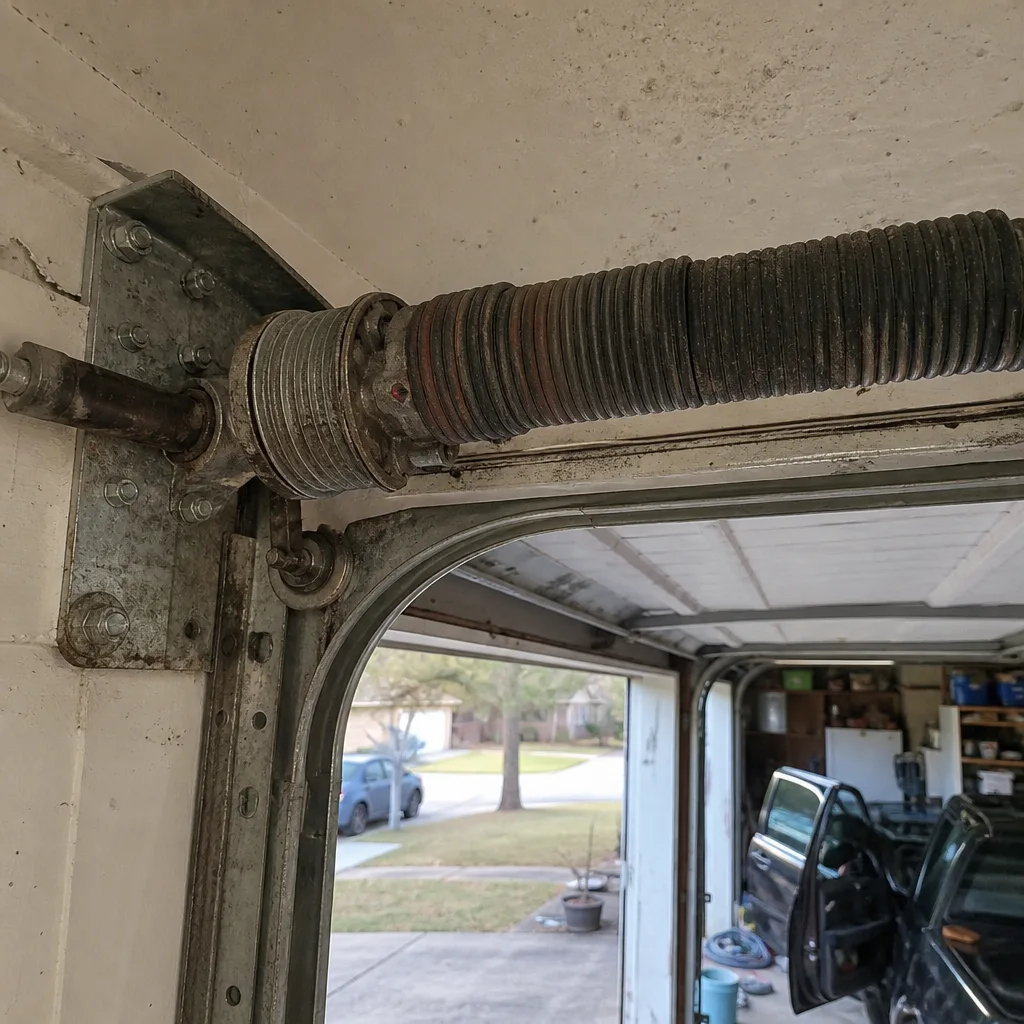 Before
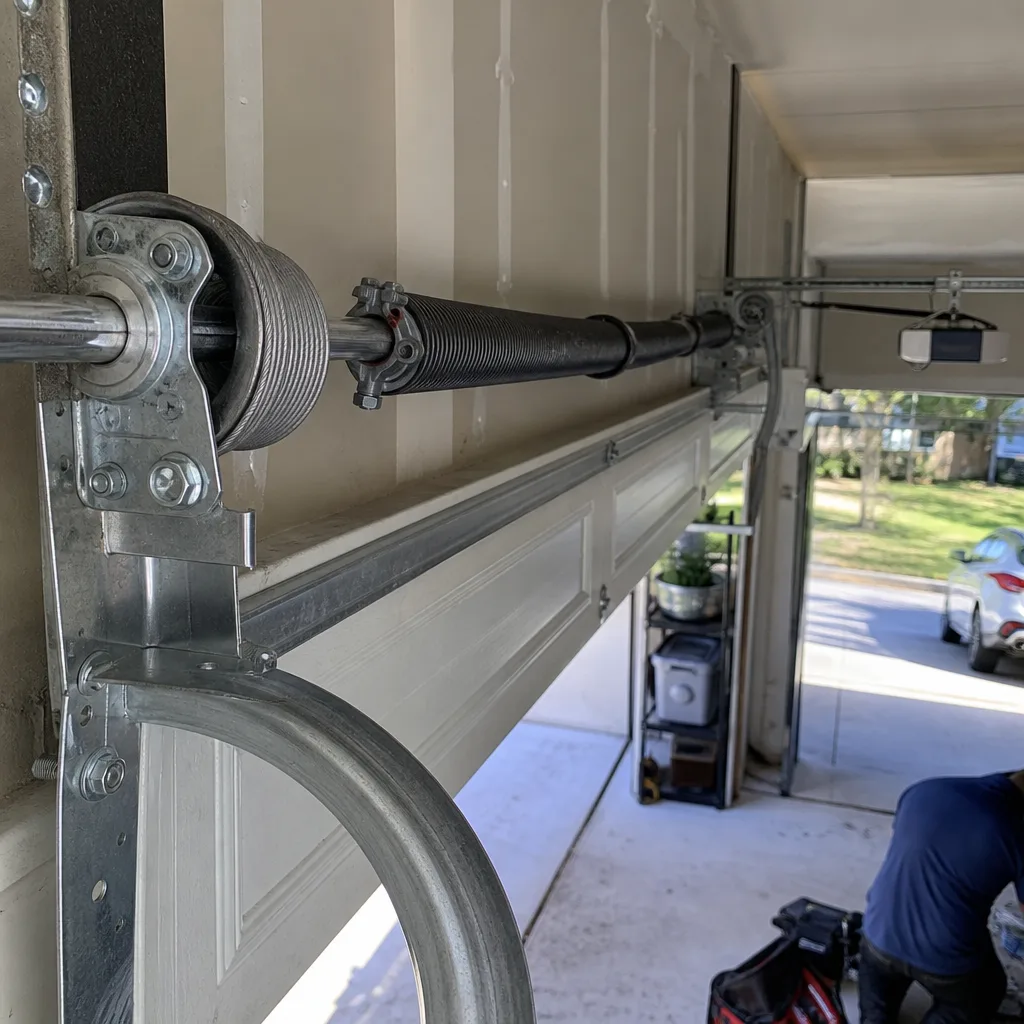 After
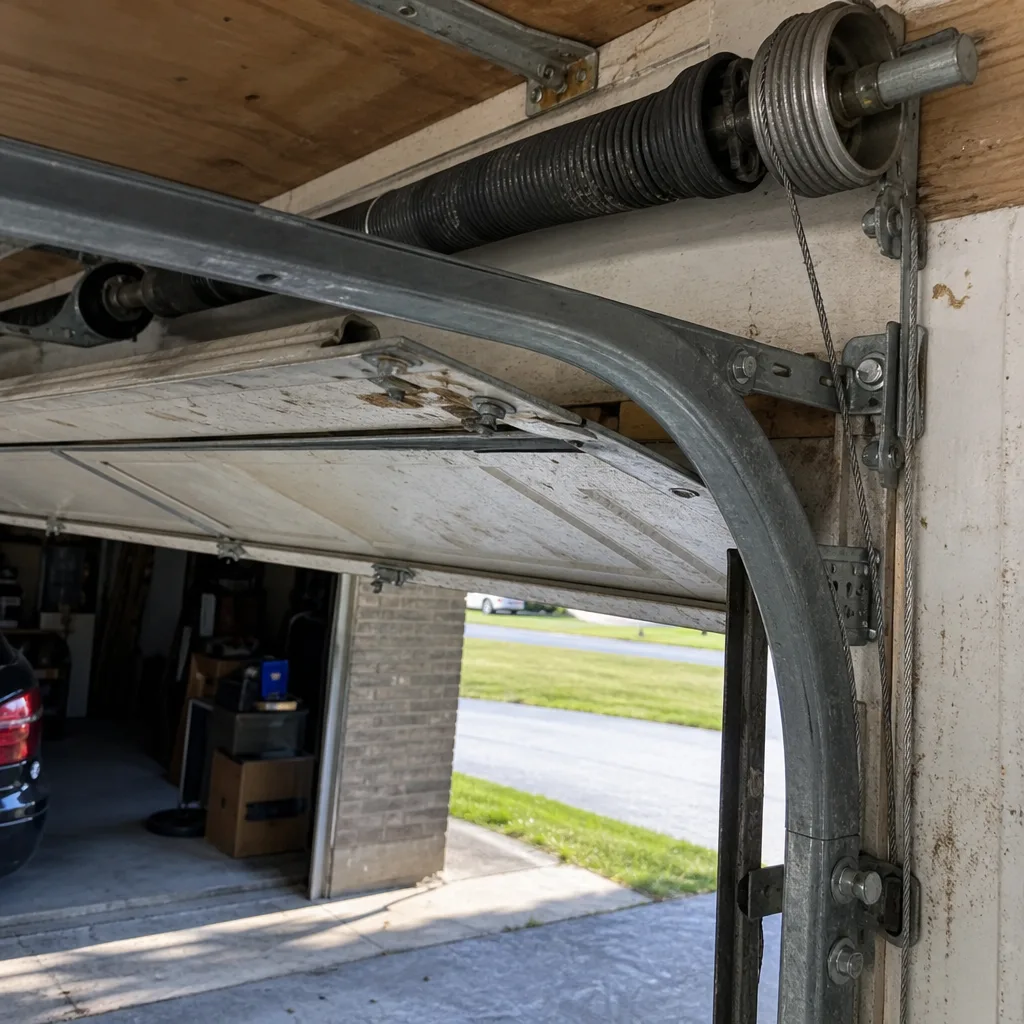 Before
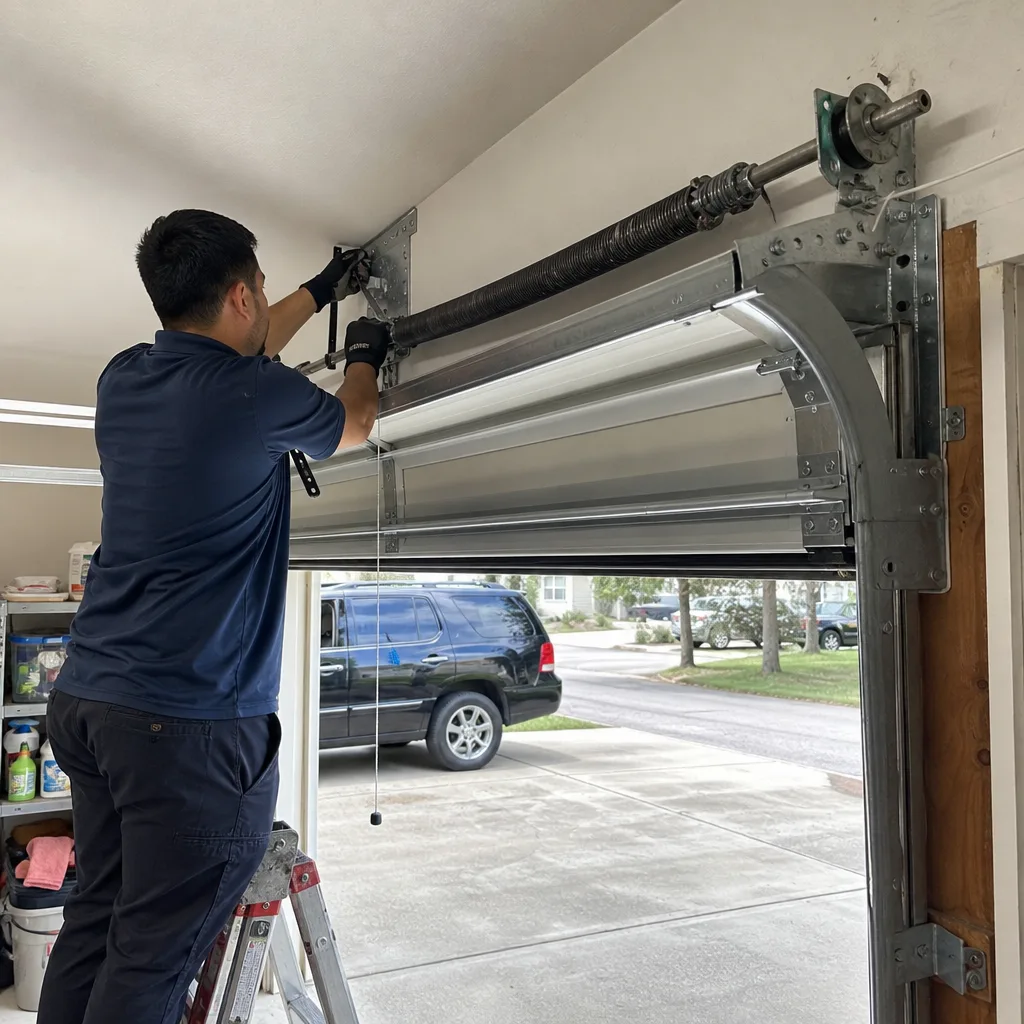 After
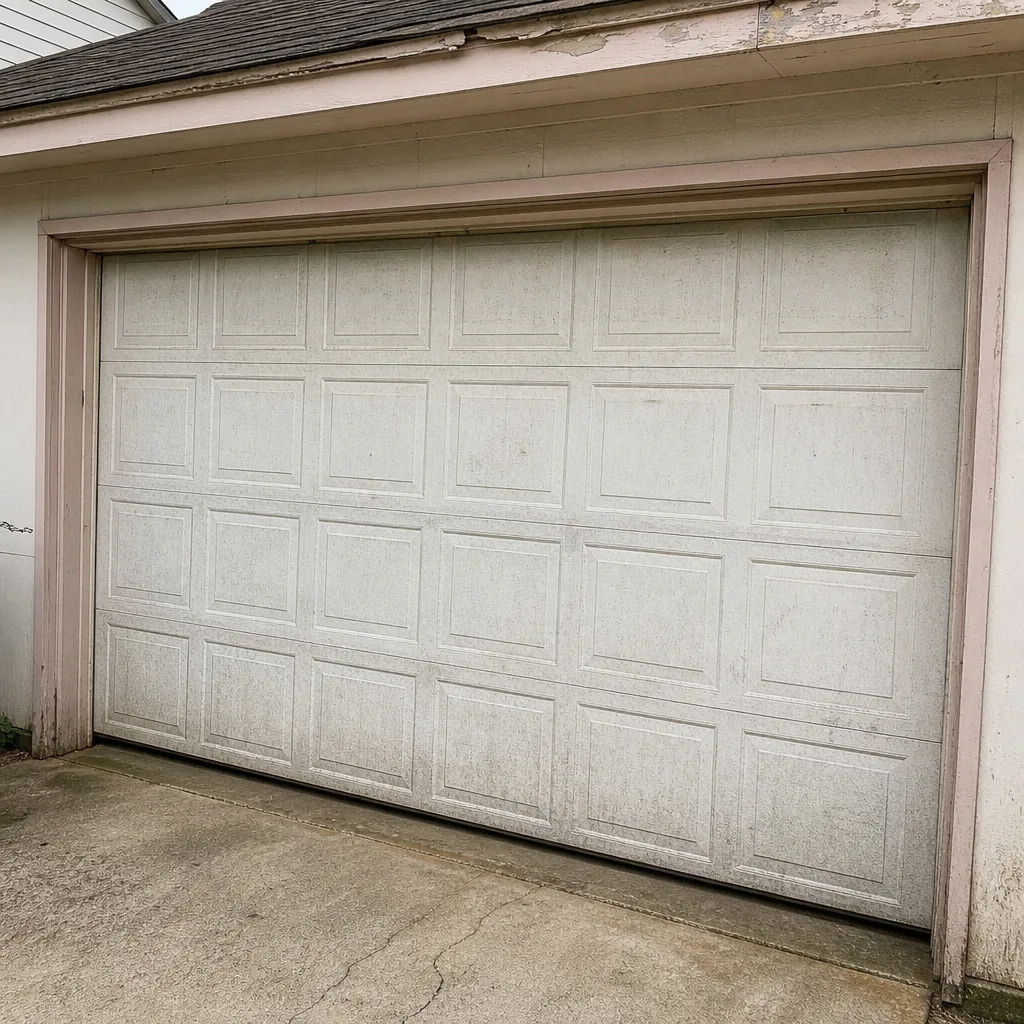 Before
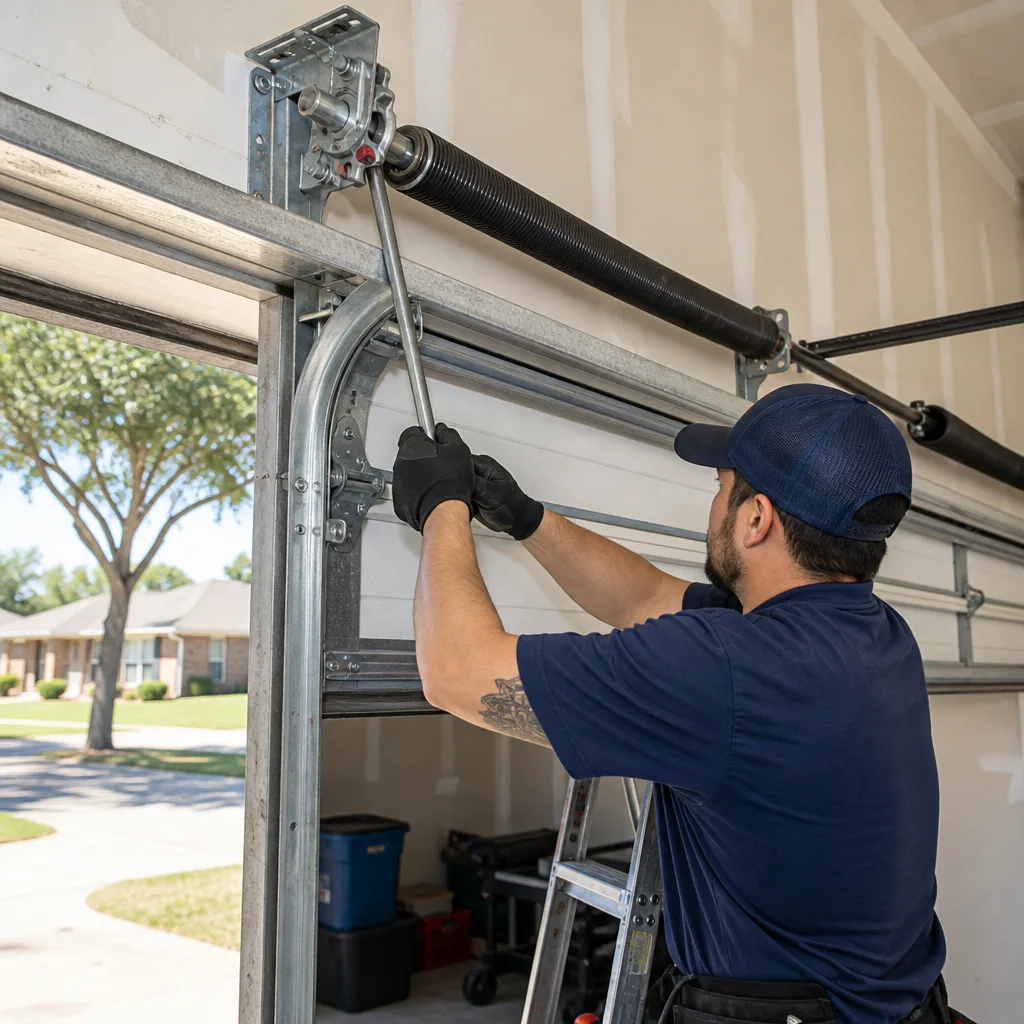 After